 by
by Introduction
Wildlife refers to all living organisms that exist in their natural habitats without human domestication. It includes animals, birds, reptiles, amphibians, insects, fish, and even plants that grow naturally in forests, deserts, mountains, oceans, rivers, and grasslands. Wildlife is an essential part of the Earth’s ecosystem and plays a vital role in maintaining ecological balance.
Importance of Wildlife
Wildlife contributes significantly to the health and stability of the environment. Every species has a specific role in nature. Predators control the population of other animals, pollinators help plants reproduce, and decomposers break down dead organisms to recycle nutrients.
Some major benefits of wildlife include:
- Maintaining Ecological Balance: Different species interact with each other to keep ecosystems functioning properly.
- Supporting Biodiversity: Wildlife increases the variety of life forms on Earth, making ecosystems more resilient.
- Economic Benefits: Wildlife tourism generates income and creates employment opportunities.
- Scientific Research: Many medical discoveries and scientific studies are based on wildlife.
- Cultural and Educational Value: Wildlife inspires art, literature, and environmental education.
Types of Wildlife
1. Mammals
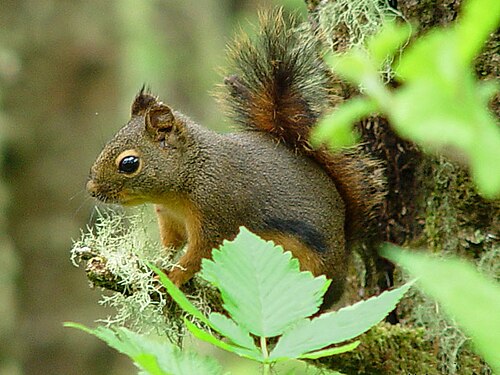
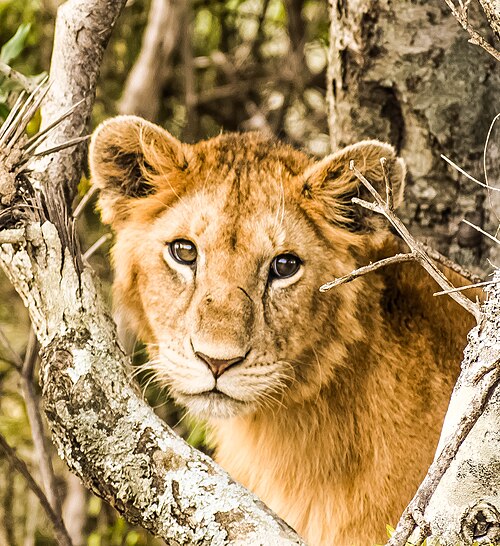
Mammals are warm-blooded animals that give birth to live young and feed them with milk. Examples include lions, elephants, deer, and bears.
2. Birds
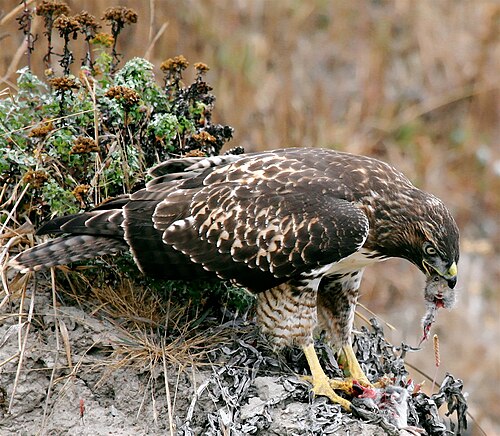
Birds are feathered animals that lay eggs. Examples include eagles, parrots, owls, and sparrows.
3. Reptiles
Reptiles are cold-blooded animals with scales. Examples include snakes, crocodiles, turtles, and lizards.
4. Amphibians
These animals can live both on land and in water. Frogs, toads, and salamanders are common amphibians.
5. Fish
Fish live in water and breathe through gills. They are found in oceans, rivers, lakes, and ponds.
6. Insects
Insects are the largest group of wildlife species. Bees, butterflies, ants, and beetles are examples.
Wildlife Habitats
Wildlife survives in different habitats depending on its needs.
Forests
Forests provide food, shelter, and breeding grounds for many species such as tigers, monkeys, and birds.
Grasslands
Grasslands support grazing animals like zebras, deer, and antelopes.
Deserts
Desert wildlife, such as camels and desert foxes, has adapted to survive with limited water.
Oceans and Rivers
Aquatic habitats are home to fish, dolphins, whales, and countless marine organisms.
Mountains
Mountain habitats support animals such as snow leopards, mountain goats, and eagles.
Threats to Wildlife
Wildlife faces numerous threats due to human activities and environmental changes.
Habitat Loss
Deforestation, urbanization, and agricultural expansion destroy natural habitats.
Pollution
Air, water, and soil pollution harm wildlife and their ecosystems.
Climate Change
Rising temperatures and changing weather patterns affect migration, breeding, and survival.
Illegal Hunting and Poaching
Many animals are hunted for their skin, horns, meat, or other body parts.
Overexploitation
Excessive fishing, logging, and resource extraction reduce wildlife populations.
Wildlife Conservation
Wildlife conservation refers to protecting animals, plants, and their habitats to ensure their survival for future generations.
Methods of Conservation
- Establishing national parks and wildlife sanctuaries.
- Enforcing laws against poaching and illegal trade.
- Protecting natural habitats.
- Promoting sustainable use of natural resources.
- Raising public awareness about wildlife protection.
- Supporting scientific research and conservation programs.
Wildlife in Pakistan
Pakistan is rich in wildlife diversity. The country is home to species such as the Markhor, Snow Leopard, Indus River Dolphin, Blackbuck, and Chinkara. Several protected areas, including national parks and wildlife reserves, help conserve these species. The Markhor, Pakistan’s national animal, is considered a major conservation success story.
Conclusion
Wildlife is an invaluable part of our planet’s natural heritage. It supports ecosystems, contributes to human well-being, and enriches biodiversity. However, wildlife faces many challenges due to human activities and environmental changes. Protecting wildlife through conservation efforts, education, and responsible behavior is essential for maintaining a healthy and sustainable environment for future generations.
