 by
by Introduction
Organic chemistry is the branch of chemistry that deals with the study of carbon-containing compounds, including their structure, properties, composition, reactions, preparation, and applications. Carbon is a unique element because it can form stable covalent bonds with itself and many other elements such as hydrogen, oxygen, nitrogen, sulfur, phosphorus, and halogens. Due to this ability, millions of organic compounds exist, making organic chemistry one of the largest and most important fields of science.
Organic chemistry plays a vital role in everyday life because it is involved in the production of medicines, plastics, fuels, food additives, cosmetics, textiles, agricultural chemicals, and many other materials.
History of Organic Chemistry
The study of organic compounds began with the belief that these substances could only be produced by living organisms. This belief was known as the Vital Force Theory.
In 1828, German chemist Friedrich Wöhler disproved this theory by synthesizing urea, an organic compound, from the inorganic compound ammonium cyanate. This discovery marked the beginning of modern organic chemistry.
Since then, scientists have synthesized millions of organic compounds both naturally and artificially.
Definition of Organic Chemistry
Organic chemistry is defined as:
The branch of chemistry that studies carbon compounds, especially hydrocarbons and their derivatives, including their structures, properties, reactions, and synthesis.
Importance of Organic Chemistry
Organic chemistry is important because it contributes to nearly every aspect of modern life.
1. Medicine
- Manufacturing antibiotics
- Painkillers
- Vaccines
- Vitamins
- Antiseptics
2. Agriculture
- Fertilizers
- Pesticides
- Herbicides
- Insecticides
3. Industry
- Plastics
- Rubber
- Synthetic fibers
- Paints
- Adhesives
4. Food Industry
- Food preservatives
- Artificial flavors
- Sweeteners
- Coloring agents
5. Energy
- Petrol
- Diesel
- Natural gas
- Biofuels
6. Cosmetics
- Perfumes
- Soap
- Shampoo
- Skin-care products
Characteristics of Carbon
Carbon is considered the backbone of organic chemistry because it possesses unique properties.
1. Tetravalency
Carbon has four valence electrons and forms four covalent bonds.
Example:
CH₄ (Methane)
2. Catenation
Carbon atoms can bond with one another to form:
- Straight chains
- Branched chains
- Ring structures
Example:
- Ethane
- Cyclohexane
- Benzene
3. Multiple Bond Formation
Carbon forms:
- Single bonds
- Double bonds
- Triple bonds
Examples:
- Ethane (single)
- Ethene (double)
- Ethyne (triple)
4. Isomerism
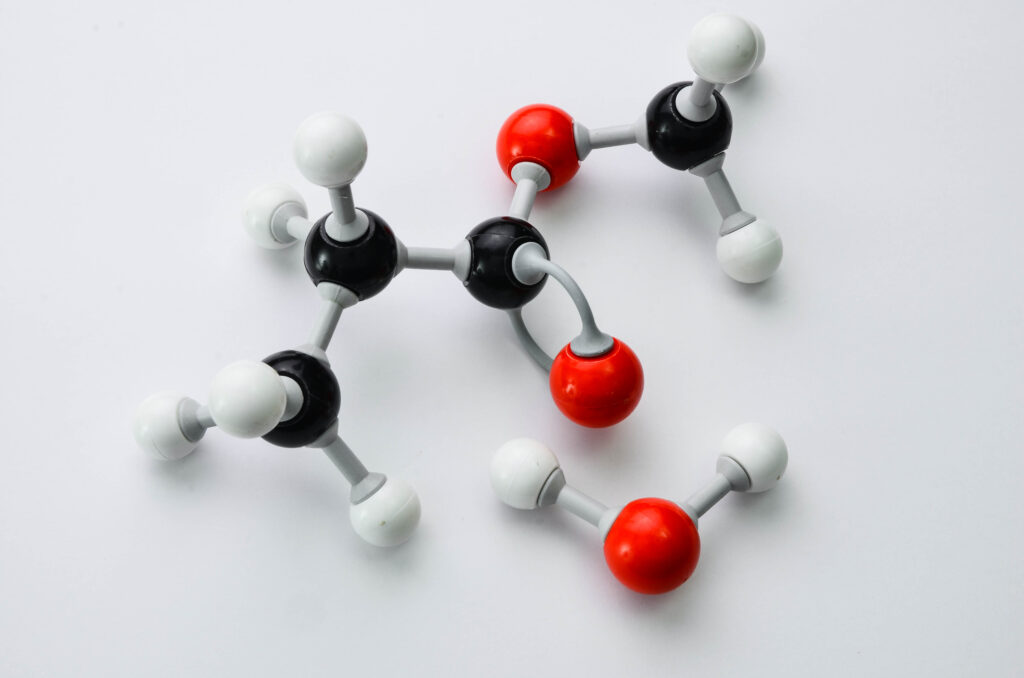
Compounds having the same molecular formula but different structures are called isomers.
Example:
C₄H₁₀
- n-Butane
- Isobutane
Hydrocarbons
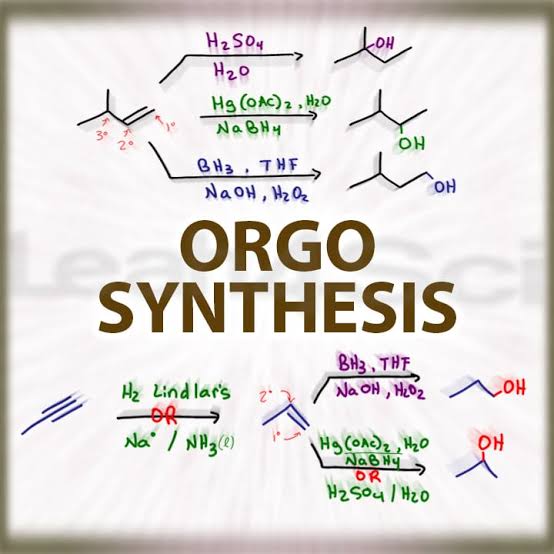
Hydrocarbons are compounds containing only carbon and hydrogen atoms.
They are divided into two major classes.
1. Aliphatic Hydrocarbons
These consist of open-chain structures.
Examples:
- Methane
- Ethane
- Propane
Types
Alkanes
- Saturated hydrocarbons
- Single bonds only
- General Formula:
CₙH₂ₙ₊₂
Examples:
- Methane
- Ethane
- Propane
Alkenes
- One or more double bonds
- Unsaturated hydrocarbons
- Formula:
CₙH₂ₙ
Example:
- Ethene
Alkynes
- Triple bond present
- Formula:
CₙH₂ₙ₋₂
Example:
- Ethyne
Aromatic Hydrocarbon
These contain one or more benzene rings.
Examples:
- Benzene
- Toluene
- Naphthalene
Functional Groups
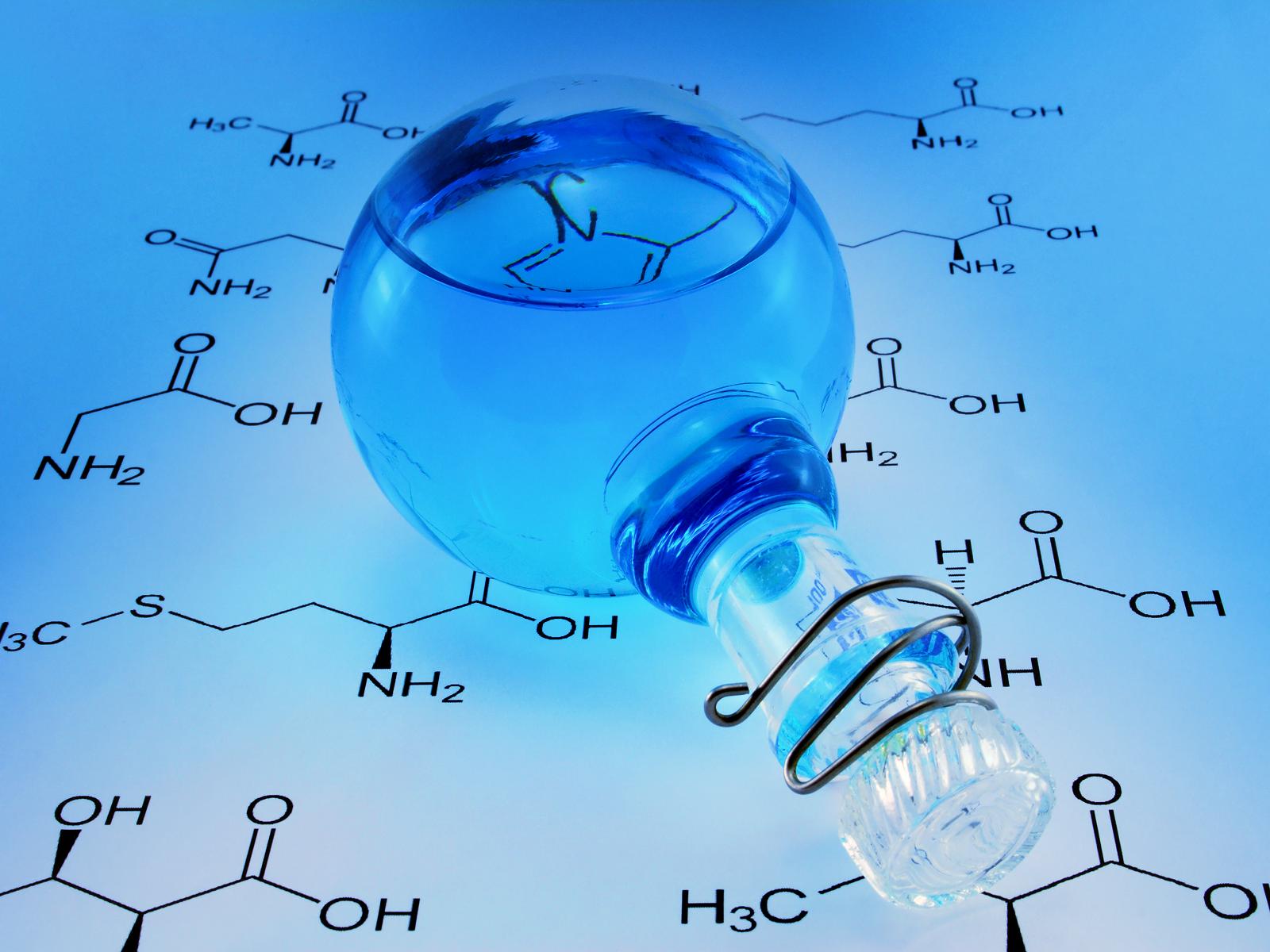
A functional group is an atom or group of atoms responsible for the characteristic chemical properties of an organic compound.
| Functional Group | Formula | Example |
|---|---|---|
| Alcohol | –OH | Ethanol |
| Aldehyde | –CHO | Formaldehyde |
| Ketone | >C=O | Acetone |
| Carboxylic Acid | –COOH | Acetic acid |
| Ester | –COOR | Ethyl acetate |
| Ether | –O– | Diethyl ether |
| Amine | –NH₂ | Methylamine |
| Amide | –CONH₂ | Acetamide |
| Halo Compound | –Cl, –Br | Chloroethane |
Classification of Organic Compounds
Organic compounds are classified into:
Acyclic (Open Chain)
- Straight chain
- Branched chain
Example:
- Butane
Cyclic Compounds
These are divided into:
Homocyclic
- Alicyclic
- Aromatic
Heterocyclic
- Pyridine
- Furan
- Thiophene
Types of Organic Reactions
1. Addition Reaction
Occurs in unsaturated compounds.
Example:
Ethene + Hydrogen → Ethane
2. Substitution Reaction
One atom replaces another atom.
Example:
Methane + Chlorine → Chloromethane
3. Elimination Reaction
Removal of atoms or molecules to form multiple bonds.
Example:
Ethanol → Ethene + Water
4. Oxidation Reaction
Increase in oxygen or decrease in hydrogen.
Example:
Alcohol → Aldehyde
5. Reduction Reaction
Addition of hydrogen or removal of oxygen.
Example:
Aldehyde → Alcohol
Isomerism
Isomerism is the phenomenon in which compounds have the same molecular formula but different structures or spatial arrangements.
Types
Structural Isomerism
- Chain isomerism
- Position isomerism
- Functional isomerism
Stereoisomerism
- Geometrical isomerism
- Optical isomerism
Organic Nomenclature
The naming of organic compounds follows the rules established by the International Union of Pure and Applied Chemistry.
Examples
| Formula | IUPAC Name |
|---|---|
| CH₄ | Methane |
| C₂H₆ | Ethane |
| C₂H₄ | Ethene |
| C₂H₂ | Ethyne |
| CH₃OH | Methanol |
| CH₃COOH | Ethanoic Acid |
Applications of Organic Chemistry
Organic chemistry has numerous applications, including:
- Drug development
- Plastic manufacturing
- Fuel production
- Food preservation
- Textile manufacturing
- Polymer production
- Soap and detergent manufacturing
- Cosmetic formulation
- Dye and pigment production
- Biotechnology and genetic engineering
Advantages of Organic Chemistry
- Improves human health through medicines.
- Increases agricultural productivity.
- Supports industrial development.
- Produces advanced materials.
- Enables modern technology.
- Provides renewable energy sources.
- Contributes to scientific research.
Disadvantages
- Some organic chemicals are toxic.
- Plastic waste causes environmental pollution.
- Certain organic solvents are flammable.
- Pesticides may harm ecosystems.
- Burning hydrocarbons contributes to air pollution and climate change.
Conclusion
Organic chemistry is one of the most significant branches of chemistry because it focuses on the chemistry of carbon compounds, which are essential for life and modern industry. From medicines and fuels to plastics, textiles, and food products, organic chemistry influences almost every aspect of daily life. A solid understanding of organic chemistry provides the foundation for careers in chemistry, medicine, pharmacy, biotechnology, agriculture, and environmental science, making it an essential subject for students and researchers alike.
