 by
by A Convenient Choice with Benefits and Health Considerations
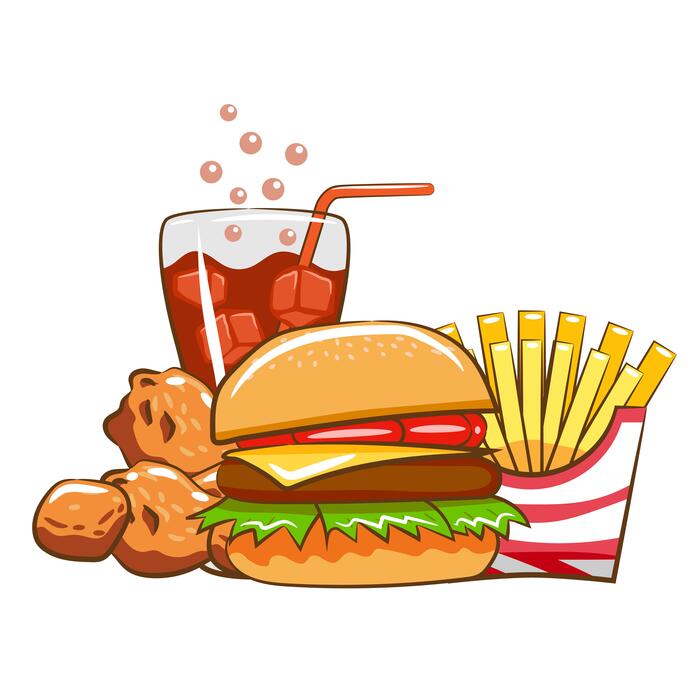
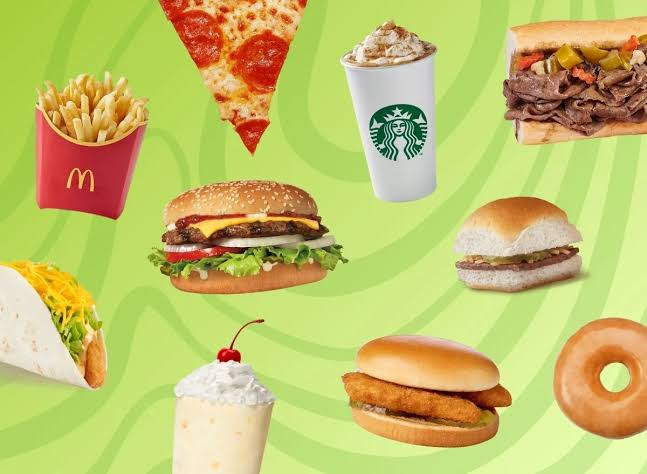
Fast food has become an integral part of modern lifestyles, offering quick, affordable, and delicious meals for people with busy schedules. From burgers and pizzas to fried chicken, sandwiches, tacos, and French fries, fast food is enjoyed by millions of people around the world every day. Its convenience and variety make it a popular dining option for students, office workers, families, and travelers. However, while fast food provides quick satisfaction, it is important to understand both its advantages and potential health effects.
What is Fast Food?
Fast food refers to meals that are prepared and served quickly, often in restaurants or through takeout and delivery services. These foods are designed to save time and are usually ready within a few minutes. Most fast-food restaurants offer standardized menus, ensuring consistent taste and quality across different locations.
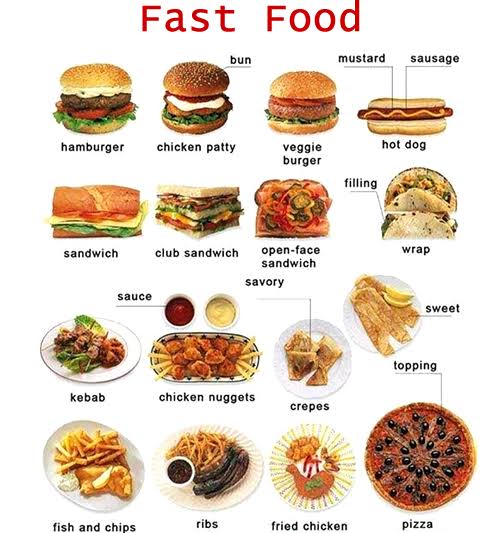
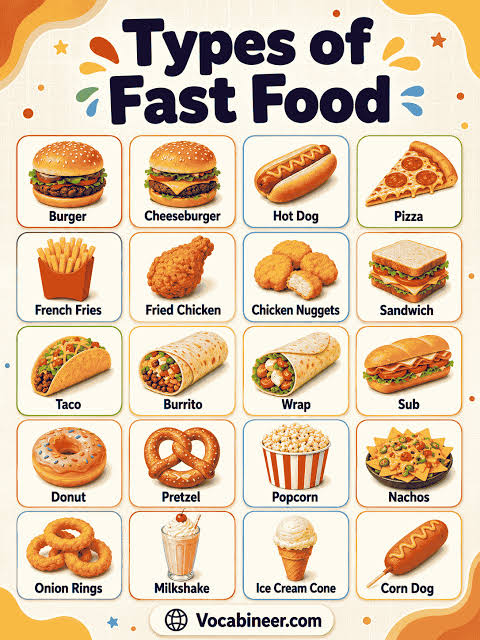
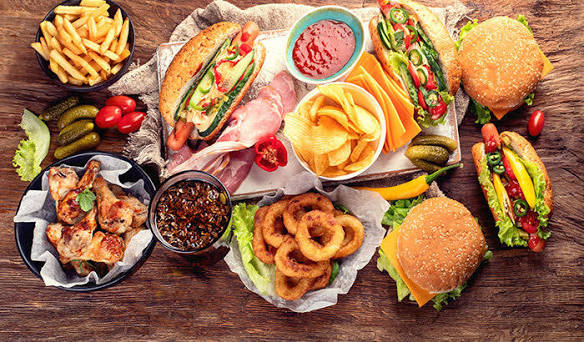
Popular fast-food items include:
- Burgers
- Pizza
- Fried chicken
- Hot dogs
- French fries
- Sandwiches
- Wraps
- Tacos
- Fried rice
- Soft drinks and milkshakes
Fast food is widely available through restaurants, drive-through services, food courts, and online food delivery platforms.
Why is Fast Food So Popular?
The popularity of fast food is driven by several factors. One of the biggest reasons is convenience. Busy individuals often have limited time to prepare meals at home, making fast food an easy and practical option.
Another reason is affordability. Many fast-food restaurants offer meal deals and value menus that provide filling meals at reasonable prices. Fast food also appeals to people because of its consistent taste, attractive presentation, and wide variety of menu options.
In recent years, online ordering and home delivery services have made fast food even more accessible, allowing customers to enjoy their favorite meals without leaving their homes.
Advantages of Fast Food
Despite criticism, fast food offers several benefits when consumed in moderation.
Convenience
Fast food is ideal for people with busy lifestyles who need a quick meal during work, school, or travel.
Variety
Modern fast-food restaurants offer a wide range of options, including vegetarian meals, grilled items, salads, wraps, and healthier alternatives to meet different dietary preferences.
Affordable Pricing
Many fast-food chains provide budget-friendly meals that are accessible to people from various income groups.
Social Experience
Fast-food restaurants are popular places for friends and families to gather, celebrate birthdays, or enjoy casual outings together.
Health Concerns Associated with Fast Food
While fast food is convenient, frequent consumption can have negative effects on health.
Many fast-food items are high in:
- Calories
- Saturated fats
- Sodium (salt)
- Added sugars
- Refined carbohydrates
Regular consumption of these foods may increase the risk of obesity, high blood pressure, heart disease, type 2 diabetes, and high cholesterol levels.
Large portion sizes and sugary beverages can also contribute to excessive calorie intake, making weight management more difficult.
Tips for Making Healthier Fast-Food Choices
Enjoying fast food occasionally can be part of a balanced lifestyle if healthier choices are made.
Here are some practical tips:
- Choose grilled instead of fried foods.
- Select smaller portion sizes.
- Add a side salad or fruit when available.
- Drink water or unsweetened beverages instead of sugary soft drinks.
- Limit high-calorie sauces and dressings.
- Avoid making fast food a daily habit.
- Balance fast-food meals with nutritious home-cooked meals throughout the week.
Making mindful choices can help reduce the health risks associated with fast food.
The Global Fast-Food Industry
The fast-food industry has grown into one of the world’s largest food sectors. International brands such as McDonald’s, KFC, Burger King, Subway, Domino’s Pizza, and Pizza Hut operate thousands of restaurants worldwide. Alongside these global chains, many local restaurants have successfully introduced regional fast-food items that reflect local tastes and cultural preferences.
Technological advancements such as mobile apps, digital payment systems, and online food delivery services have transformed how customers order and enjoy fast food.
Conclusion
Fast food has become a significant part of modern life due to its convenience, affordability, and wide variety of delicious menu options. It provides a quick solution for busy individuals and offers enjoyable dining experiences for families and friends. However, because many fast-food items are high in calories, unhealthy fats, sugar, and salt, they should be consumed in moderation as part of a balanced diet. By making healthier menu choices and maintaining an active lifestyle, people can enjoy fast food occasionally while protecting their overall health and well-being.