 by
by WRITE A DEtailed blog on topic
Certainly! Here’s a detailed blog on Desi Food (approximately 800 words).
A Flavorful Journey Through Traditional South Asian Cuisine
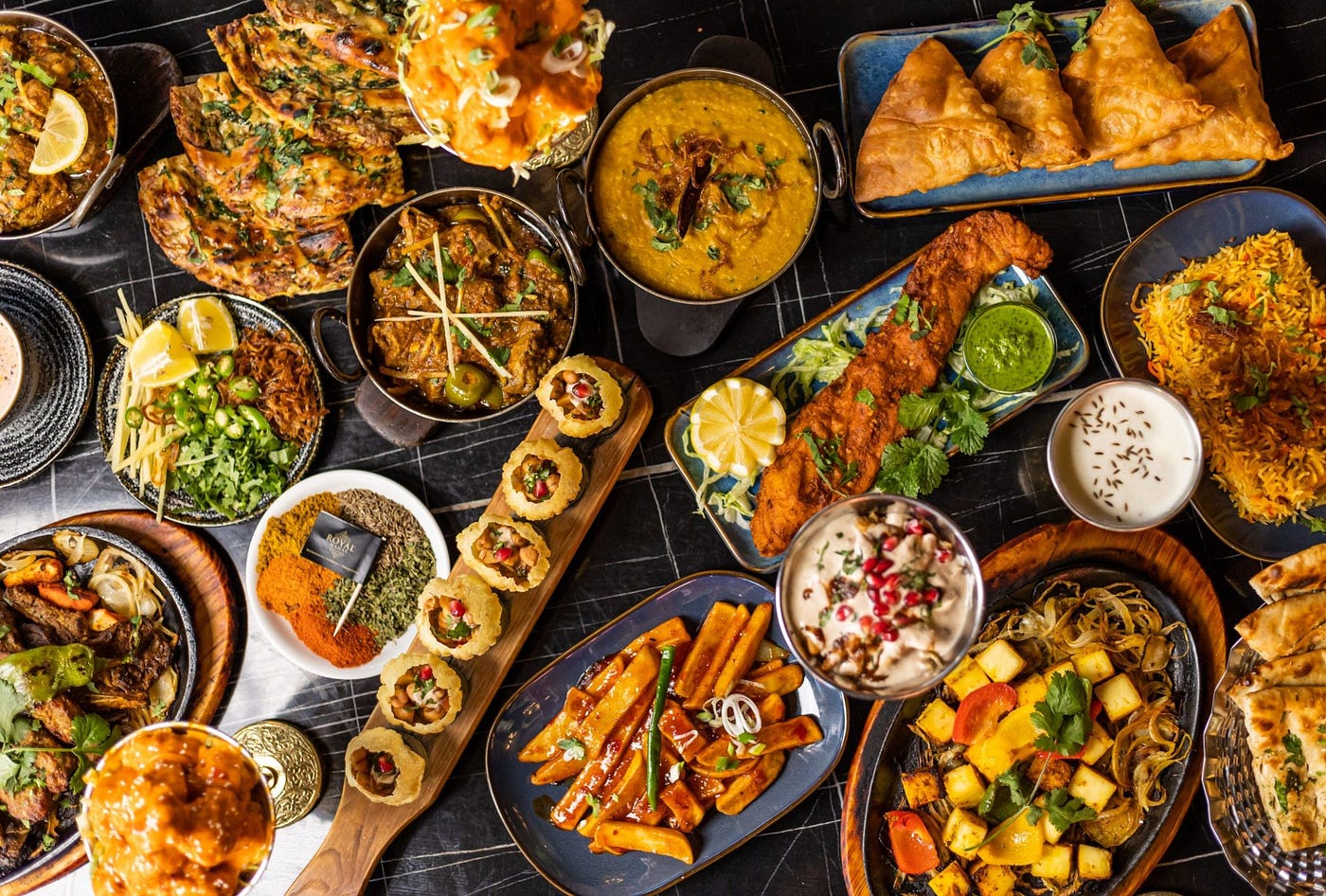
Desi food is more than just a style of cooking—it is a celebration of culture, heritage, and tradition. The term “Desi” refers to the people, cultures, and products of the Indian subcontinent, including Pakistan, India, Bangladesh, and Nepal. Desi cuisine is known for its rich flavors, aromatic spices, fresh ingredients, and diverse cooking techniques. Every meal tells a story of history, family traditions, and regional influences, making desi food one of the most loved cuisines in the world.
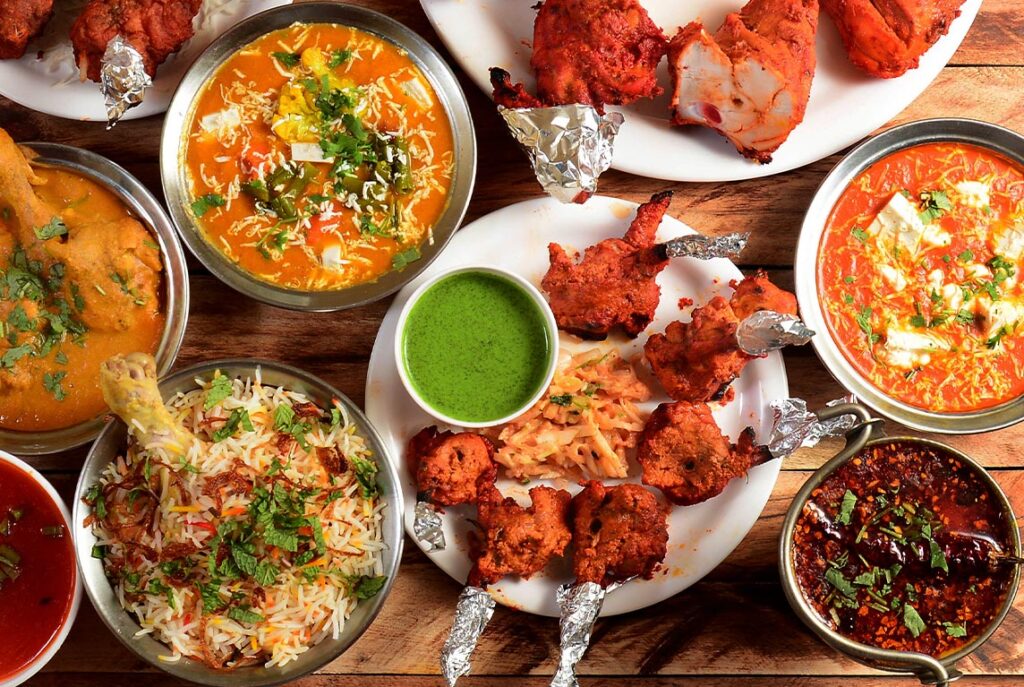
Whether it is a plate of spicy biryani, creamy butter chicken, flavorful nihari, or freshly baked naan, desi food offers a unique culinary experience that satisfies both the heart and the taste buds. From everyday home-cooked meals to festive dishes served at weddings and celebrations, desi cuisine continues to bring people together.
What is Desi Food?
Desi food refers to the traditional dishes prepared in South Asian households and restaurants. It includes a wide variety of recipes made with fresh vegetables, meats, lentils, rice, dairy products, herbs, and spices. The cuisine is famous for its bold flavors created by blending ingredients such as cumin, coriander, turmeric, chili powder, garam masala, ginger, garlic, and cardamom.
Unlike many fast foods, desi meals are often cooked from scratch using traditional methods that have been passed down through generations. Slow cooking allows the spices to blend perfectly, creating rich and satisfying flavors.
Popular Desi Dishes
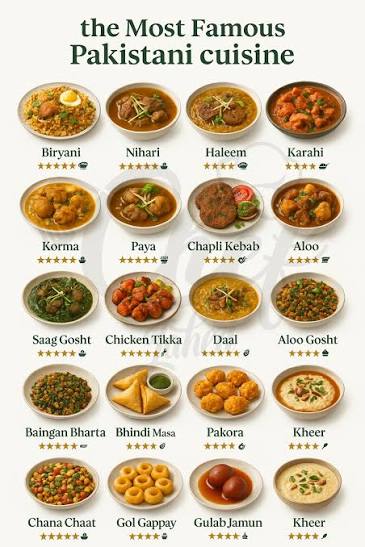
Desi cuisine offers countless delicious dishes, each with its own unique taste and preparation style.
Biryani
Biryani is one of the most famous desi dishes. It consists of fragrant basmati rice cooked with marinated chicken, beef, or mutton, along with a blend of aromatic spices. It is often served with raita and salad, making it a favorite for family gatherings and celebrations.
Nihari
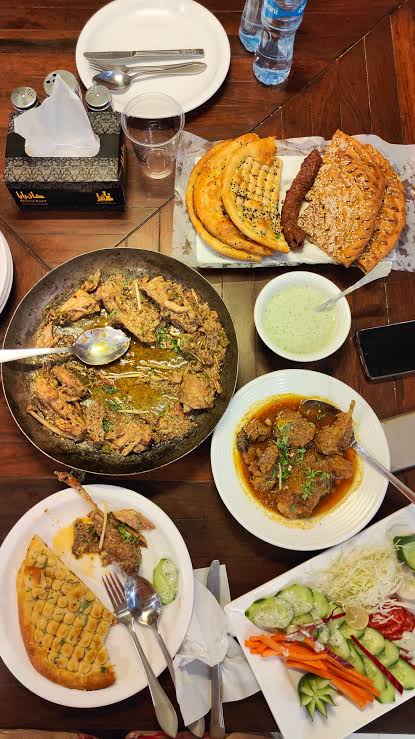
Nihari is a slow-cooked meat stew prepared with beef or mutton and a mixture of traditional spices. It is commonly enjoyed as a breakfast dish in Pakistan and is served with naan or kulcha.
Karahi
Chicken and mutton karahi are cooked in a wok-like pan with tomatoes, green chilies, ginger, garlic, and fresh coriander. This flavorful dish is popular in homes and restaurants across South Asia.
Haleem
Haleem is a nutritious dish made from wheat, barley, lentils, and slow-cooked meat. Its creamy texture and rich flavor make it especially popular during Ramadan.
Dal and Sabzi
Lentils (dal) and vegetable curries (sabzi) are everyday staples in many households. These dishes are rich in nutrients and are commonly served with roti or rice.
Traditional Breads
Bread plays an important role in desi cuisine. Freshly prepared breads are served alongside curries, barbecue, and lentil dishes.
Popular breads include:
- Roti
- Naan
- Paratha
- Kulcha
- Sheermal
- Taftan
Each type of bread complements different dishes and enhances the overall dining experience.
The Importance of Spices
Spices are the heart of desi cooking. They not only add flavor but also contribute to the aroma, color, and nutritional value of meals.
Commonly used spices include:
- Turmeric
- Cumin
- Coriander
- Red chili powder
- Black pepper
- Garam masala
- Cardamom
- Cloves
- Cinnamon
- Fenugreek
Many of these spices are also valued for their antioxidant and anti-inflammatory properties and have been used in traditional cooking and wellness practices for centuries.
Health Benefits of Desi Food
When prepared with fresh ingredients and balanced portions, desi food can be highly nutritious.
Some health benefits include:
- Rich source of protein from meat, lentils, and legumes
- High fiber content from vegetables and whole grains
- Essential vitamins and minerals from fresh herbs and vegetables
- Healthy carbohydrates from rice and whole-wheat roti
- Natural antioxidants from spices such as turmeric and ginger
Choosing grilled, baked, or lightly cooked dishes and limiting excess oil can make traditional meals even healthier.
Desi Food and Culture
Food is deeply connected to South Asian culture. It plays a central role in family gatherings, religious festivals, weddings, and celebrations. Sharing meals with relatives and guests is considered a symbol of hospitality and respect.
Festive occasions often feature elaborate dishes such as biryani, kebabs, korma, pulao, haleem, and a variety of traditional desserts. Every region has its own specialties, reflecting local ingredients and culinary traditions.
Popular Desi Desserts
No desi meal is complete without a sweet treat. Traditional desserts are enjoyed during festivals, weddings, and family celebrations.
Some popular desserts include:
- Gulab Jamun
- Kheer
- Jalebi
- Ras Malai
- Gajar ka Halwa
- Barfi
- Shahi Tukray
These desserts are known for their rich flavors and festive appeal.
Why Desi Food is Loved Worldwide
Desi food has gained international popularity due to its unique flavors, variety, and cultural richness. South Asian restaurants can be found in major cities around the world, introducing people from different cultures to authentic dishes. Many international food lovers appreciate desi cuisine for its bold spices, comforting recipes, and wide range of vegetarian and non-vegetarian options.
Conclusion
Desi food is a perfect blend of tradition, flavor, and nutrition. Its rich use of spices, fresh ingredients, and time-honored cooking techniques creates meals that are both satisfying and memorable. From hearty curries and fragrant biryanis to freshly baked breads and delicious desserts, desi cuisine offers something for everyone. Beyond its incredible taste, desi food represents family values, hospitality, and cultural heritage that have been preserved for generations. Whether enjoyed at home, in a local restaurant, or during a festive celebration, desi food continues to unite people through its warmth, diversity, and unforgettable flavors.
