 by
by Introduction
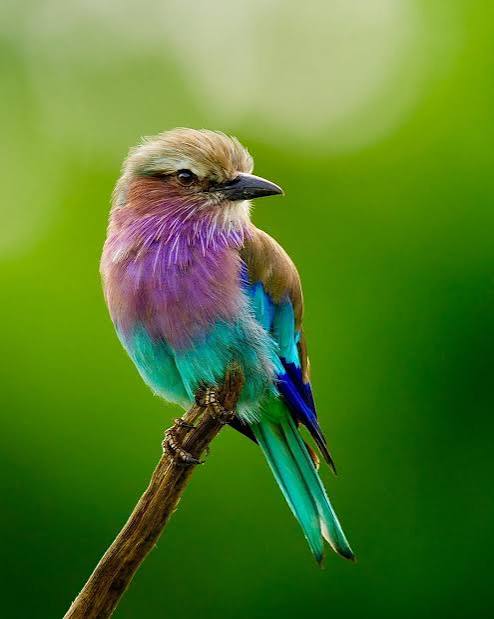
Birds are warm-blooded vertebrate animals that belong to the class Aves. They are among the most diverse and widespread animals on Earth, with more than 11,000 known species found on every continent. Birds are characterized by feathers, wings, beaks, and the ability to lay hard-shelled eggs. While most birds can fly, some species, such as ostriches, penguins, and kiwis, are flightless but have evolved unique adaptations for their environments.
Birds play a crucial role in maintaining ecological balance through pollination, seed dispersal, pest control, and scavenging. They also contribute to scientific research, tourism, and human culture.
Characteristics of Birds
Birds possess several distinctive features that separate them from other vertebrates.
| Characteristic | Description |
|---|---|
| Scientific Class | Aves |
| Body Covering | Feathers |
| Body Temperature | Warm-blooded (Endothermic) |
| Skeleton | Lightweight and hollow bones |
| Mouth | Beak without teeth |
| Respiration | Lungs with air sacs |
| Heart | Four-chambered heart |
| Reproduction | Internal fertilization; lay eggs |
| Limbs | Two wings and two legs |
| Circulation | Closed circulatory system |
Physical Structure of Birds
1. Feathers
Feathers are unique to birds and serve several functions:
- Enable flight
- Provide insulation
- Protect the body
- Aid in camouflage
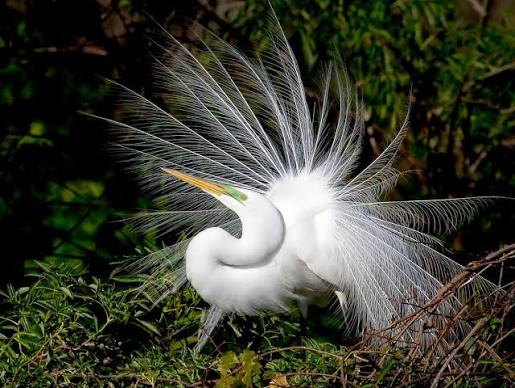
- Attract mates during breeding
Types of Feathers
- Flight feathers
- Contour feathers
- Down feathers
- Tail feathers
2. Beak
Birds have beaks instead of teeth. The shape of the beak depends on their feeding habits.
Examples:
- Eagle – Sharp, hooked beak for tearing meat.
- Duck – Broad, flat beak for filtering food.
- Hummingbird – Long, slender beak for nectar.
- Sparrow – Short, strong beak for seeds.
3. Wings
Most birds have two wings used for flying. Wings are modified forelimbs supported by strong muscles attached to the breastbone.
Functions include:
- Flight
- Balance
- Swimming (penguins)
- Courtship displays
4. Bones
Bird bones are:
- Hollow
- Lightweight
- Strong
These adaptations reduce body weight and make flight easier.
Classification of Birds
Birds are classified into two major groups.
1. Flightless Birds (Ratites)
Characteristics:
- Cannot fly
- Heavy body
- Small wings
- Strong legs
Examples:
- Ostrich
- Emu
- Kiwi
- Cassowary
2. Flying Birds (Carinates)
Characteristics:
- Well-developed wings
- Keeled breastbone
- Strong flight muscles
Examples:
- Eagle
- Pigeon
- Crow
- Parrot
- Sparrow
Habitat
Habitat of birds
Birds live in nearly every habitat on Earth.
| Habitat | Examples |
|---|---|
| Forests | Woodpecker, Owl |
| Grasslands | Ostrich |
| Deserts | Roadrunner |
| Mountains | Eagle |
| Wetlands | Flamingo |
| Oceans | Albatross |
| Polar Regions | Penguin |
| Urban Areas | Crow, Pigeon |
Feeding Habits
Birds have diverse diets depending on their species.
| Feeding Type | Food | Example |
|---|---|---|
| Herbivores | Seeds, fruits | Parrot |
| Carnivores | Meat | Eagle |
| Omnivores | Plants and animals | Crow |
| Insectivores | Insects | Swallow |
| Nectar Feeders | Flower nectar | Hummingbird |
| Scavengers | Dead animals | Vulture |
Adaptations for Flight
Birds possess special adaptations that enable flight.
- Hollow bones reduce weight.
- Feathers create lift.
- Streamlined body minimizes air resistance.
- Powerful chest muscles support wing movement.
- Air sacs improve oxygen supply.
- Efficient respiratory system enhances endurance.
Reproduction
Birds reproduce sexually.
Steps
- Courtship behavior
- Mating
- Nest building
- Egg laying
- Incubation
- Hatching
- Parental care
Most birds provide care to their young until they can survive independently.
Migration
Migration is the seasonal movement of birds between breeding and wintering areas.
Reasons for Migration
- Food availability
- Suitable climate
- Breeding
- Avoiding harsh weather
Examples include:
- Arctic Tern
- Swallows
- Geese
Importance of Birds
Birds provide many ecological and economic benefits.
Ecological Importance
- Pollination of flowers
- Seed dispersal
- Pest control
- Scavenging dead animals
- Maintaining ecosystem balance
Economic Importance
- Poultry farming
- Egg production
- Ecotourism
- Scientific research
Cultural Importance
- Symbols of peace and freedom
- Featured in literature, art, and religion
Threats to Birds
Many bird species face serious threats.
- Habitat destruction
- Climate change
- Pollution
- Hunting and poaching
- Deforestation
- Illegal wildlife trade
- Pesticide use
Conservation of Birds
Bird conservation is essential to protect biodiversity.
Conservation Measures
- Protect natural habitats
- Establish wildlife sanctuaries
- Plant more trees
- Reduce pollution
- Enforce wildlife protection laws
- Promote environmental education
- Support conservation organizations
Examples of Common Birds
| Bird | Main Feature | Habitat |
|---|---|---|
| Eagle | Powerful hunter | Mountains |
| Sparrow | Small seed-eater | Urban and rural areas |
| Parrot | Colorful, intelligent | Tropical forests |
| Owl | Nocturnal predator | Forests |
| Penguin | Flightless swimmer | Polar regions |
| Ostrich | Largest living bird | Grasslands |
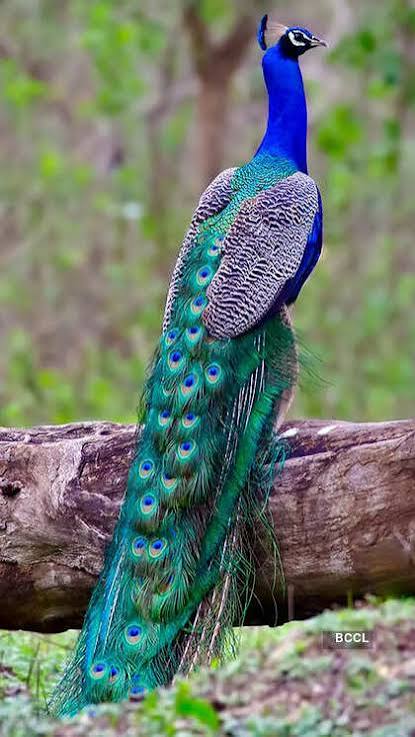
| Peacock | Colorful feathers | Forests and farms |
| Flamingo | Long legs and pink feathers | Wetlands |
Interesting Facts About Birds
- The ostrich is the largest living bird.
- The bee hummingbird is the smallest bird in the world.
- The peregrine falcon is the fastest bird, reaching speeds of over 320 km/h (200 mph) during a dive.
- The Arctic tern undertakes one of the longest migrations of any animal, traveling thousands of kilometers each year.
- Penguins cannot fly but are excellent swimmers.
Conclusion
Birds are one of the most fascinating and diverse groups of animals. Their unique adaptations, including feathers, wings, lightweight skeletons, and efficient respiratory systems, enable many species to fly and thrive in a wide variety of environments. Birds play vital roles in ecosystems by controlling pests, pollinating plants, dispersing seeds, and recycling nutrients. However, many bird species are threatened by habitat loss, pollution, climate change, and illegal hunting. Protecting birds through conservation efforts is essential for maintaining biodiversity and ensuring the health of ecosystems for future generations.
