 by
by Certainly! Here’s a detailed blog on ST-Elevation Myocardial Infarction (STEMI).
Introduction
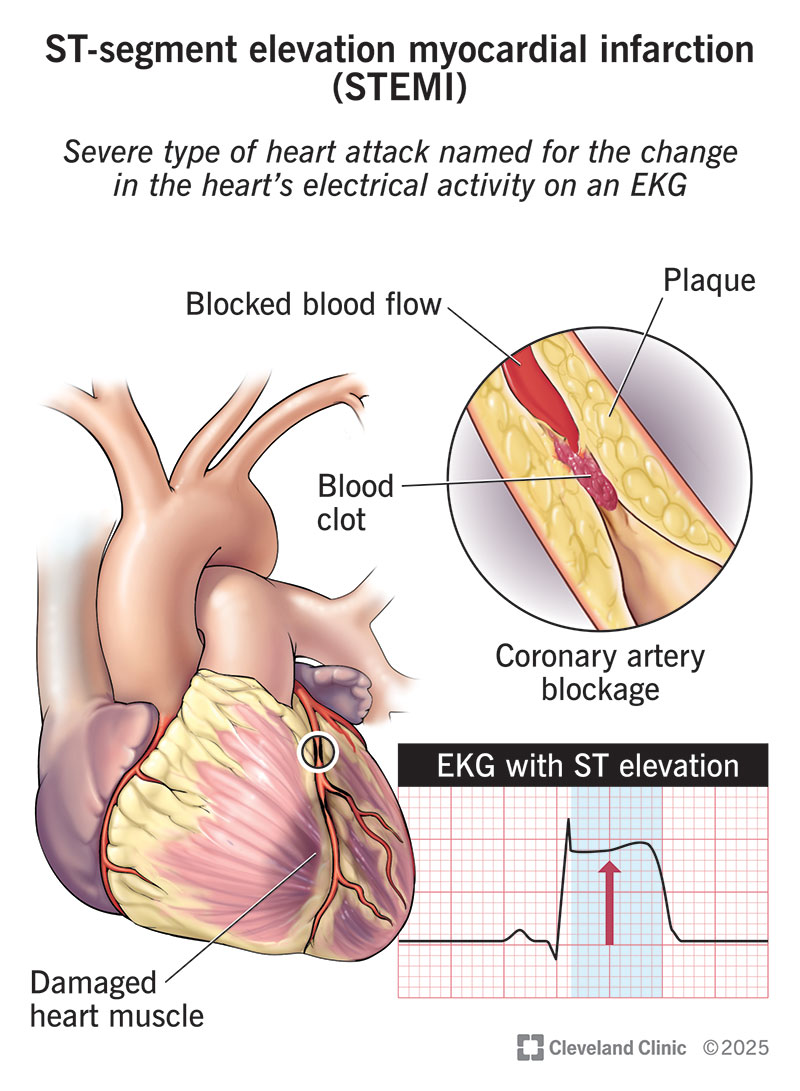
A ST-Elevation Myocardial Infarction (STEMI) is the most severe and life-threatening type of heart attack. It occurs when one of the major coronary arteries becomes completely blocked, cutting off the supply of oxygen-rich blood to a large portion of the heart muscle. Without immediate treatment, the affected heart tissue begins to die, leading to permanent heart damage or even death.
STEMI is considered a medical emergency that requires rapid diagnosis and immediate intervention. Modern medical treatments have significantly improved survival rates, but early recognition and prompt medical care remain the most important factors in saving lives.
What is STEMI?
ST-Elevation Myocardial Infarction (STEMI) is a form of acute myocardial infarction characterized by complete blockage of a coronary artery. The blockage is usually caused by the rupture of a cholesterol-rich plaque inside the artery, followed by the formation of a blood clot that completely obstructs blood flow.
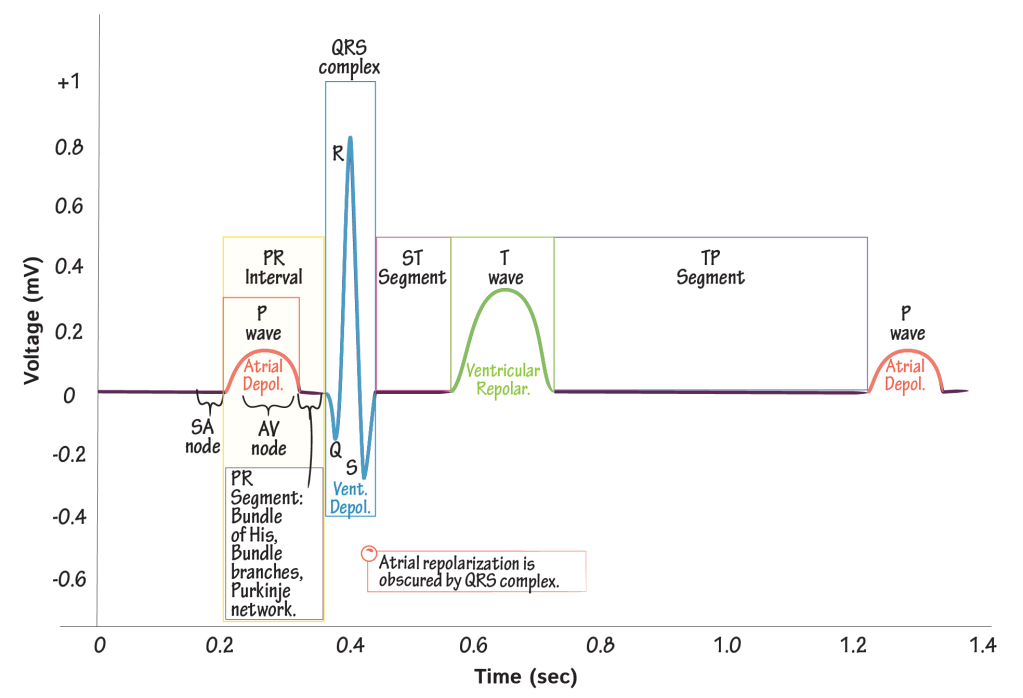
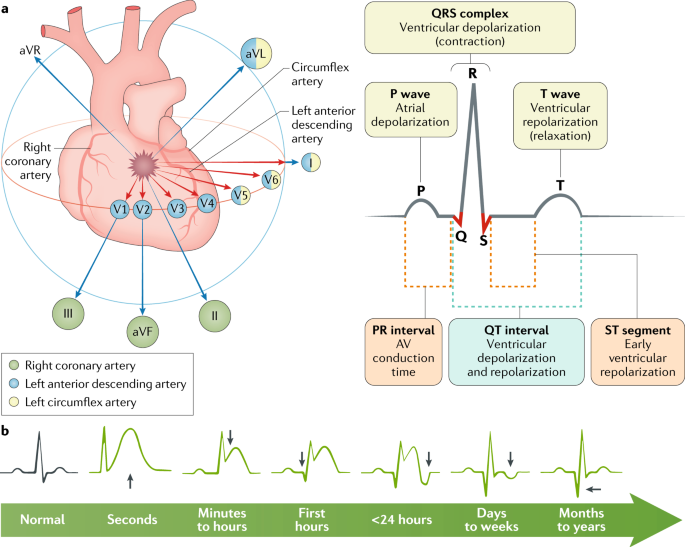
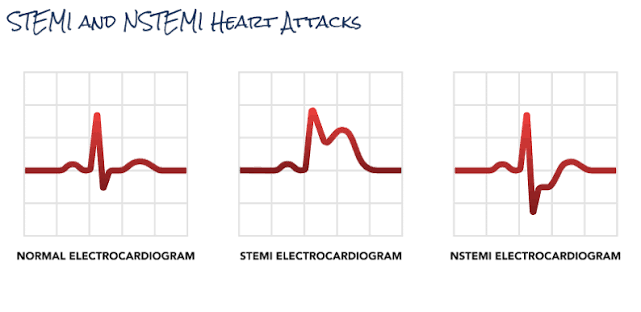
The term “ST-Elevation” refers to a specific pattern seen on an electrocardiogram (ECG), where the ST segment appears elevated above the baseline. This ECG finding indicates significant injury to the heart muscle and helps doctors quickly diagnose this serious condition.
Causes of STEMI
Several underlying conditions and lifestyle factors contribute to the development of STEMI.
1. Coronary Artery Disease
The leading cause of STEMI is coronary artery disease. Over many years, cholesterol, fat, calcium, and other substances accumulate inside the coronary arteries, forming plaques that narrow the blood vessels.
2. Plaque Rupture
When one of these plaques ruptures, the body attempts to repair the damage by forming a blood clot. If the clot completely blocks the artery, blood can no longer reach part of the heart muscle, resulting in STEMI.
3. Coronary Artery Spasm
In rare cases, a sudden and severe spasm of a coronary artery may completely interrupt blood flow, causing a STEMI even in the absence of significant plaque buildup.
4. Other Causes
Other less common causes include:
- Blood clotting disorders
- Cocaine or stimulant drug use
- Coronary artery injury
- Spontaneous coronary artery dissection (SCAD)
Risk Factors
Several factors increase the likelihood of developing STEMI.
Non-Modifiable Risk Factors
- Older age
- Male gender
- Family history of heart disease
- Genetic predisposition
Modifiable Risk Factors
- High blood pressure
- High cholesterol
- Smoking
- Diabetes
- Obesity
- Physical inactivity
- Unhealthy diet
- Excessive alcohol consumption
- Chronic stress
Controlling these risk factors greatly reduces the chance of experiencing a heart attack.
Symptoms of STEMI
Symptoms usually appear suddenly and may worsen rapidly.
The most common symptoms include:
- Severe chest pain or pressure
- Tightness or heaviness in the chest
- Pain radiating to the left arm, shoulder, neck, jaw, or back
- Shortness of breath
- Cold sweating
- Nausea and vomiting
- Dizziness or fainting
- Extreme weakness
- Anxiety or a feeling of impending doom
Some people, particularly women, older adults, and individuals with diabetes, may experience atypical symptoms such as fatigue, indigestion, or mild chest discomfort.
Diagnosis of STEMI
Rapid diagnosis is essential because treatment effectiveness decreases as time passes.
Electrocardiogram (ECG)
The ECG is the first and most important diagnostic test. ST-segment elevation on the ECG strongly suggests complete blockage of a coronary artery.
Blood Tests
Doctors measure cardiac biomarkers such as:
- Troponin I
- Troponin T
- Creatine Kinase-MB (CK-MB)
Elevated levels indicate damage to the heart muscle.
Coronary Angiography
A coronary angiogram uses contrast dye and X-rays to locate the blocked artery and determine the severity of the blockage.
Echocardiogram
This ultrasound test evaluates heart function and identifies damaged areas of the heart muscle.
Emergency Treatment
STEMI requires immediate restoration of blood flow.
Primary Percutaneous Coronary Intervention (PCI)
Primary PCI, also called coronary angioplasty, is the preferred treatment.
During this procedure:
- A catheter is inserted into an artery.
- A balloon opens the blocked coronary artery.
- A metal stent is placed to keep the artery open.
This procedure restores blood flow quickly and significantly improves survival.
Thrombolytic Therapy
If PCI cannot be performed promptly, clot-dissolving medications (thrombolytics) may be administered to dissolve the blood clot.
Medications Used
Patients with STEMI commonly receive:
- Aspirin
- Antiplatelet medications
- Anticoagulants (blood thinners)
- Nitroglycerin
- Beta-blockers
- ACE inhibitors
- Statins
- Pain-relieving medications
These drugs reduce clot formation, improve blood flow, lower cholesterol, and protect the heart from further damage.
Possible Complications
Without rapid treatment, STEMI may lead to serious complications.
These include:
- Heart failure
- Cardiac arrest
- Dangerous heart rhythm abnormalities (arrhythmias)
- Cardiogenic shock
- Damage to heart valves
- Blood clots
- Sudden cardiac death
Early treatment greatly reduces the risk of these complications.
Recovery After STEMI
Recovery varies depending on the amount of heart muscle damage and how quickly treatment was received.
Cardiac rehabilitation programs are highly recommended and include:
- Supervised exercise
- Nutritional counseling
- Smoking cessation support
- Stress management
- Medication education
- Regular follow-up appointments
Most patients gradually return to normal daily activities within weeks to months under medical supervision.
Prevention
Many STEMI cases can be prevented by maintaining a heart-healthy lifestyle.
Preventive measures include:
- Eating a balanced diet rich in fruits, vegetables, whole grains, and lean proteins
- Exercising regularly (at least 150 minutes of moderate activity per week)
- Maintaining a healthy body weight
- Avoiding smoking and tobacco products
- Limiting alcohol consumption
- Managing diabetes, blood pressure, and cholesterol
- Reducing stress through relaxation techniques
- Attending regular medical checkups
Following prescribed medications and medical advice is essential for individuals with existing heart disease.
When to Seek Emergency Help
If you or someone nearby experiences symptoms suggestive of a heart attack, seek emergency medical care immediately. Do not attempt to drive yourself to the hospital if symptoms are severe. Quick treatment can preserve heart muscle, reduce complications, and save lives.
Conclusion
ST-Elevation Myocardial Infarction (STEMI) is the most critical form of heart attack and requires immediate medical attention. It occurs when a coronary artery becomes completely blocked, depriving the heart muscle of oxygen-rich blood. Early recognition of symptoms, rapid diagnosis with an ECG, and timely treatment through angioplasty or clot-dissolving medications are essential for improving survival and reducing long-term complications. By adopting a healthy lifestyle, controlling risk factors, and seeking prompt medical care when symptoms arise, individuals can significantly lower their risk of STEMI and maintain better cardiovascular health.