 by
by Introduction
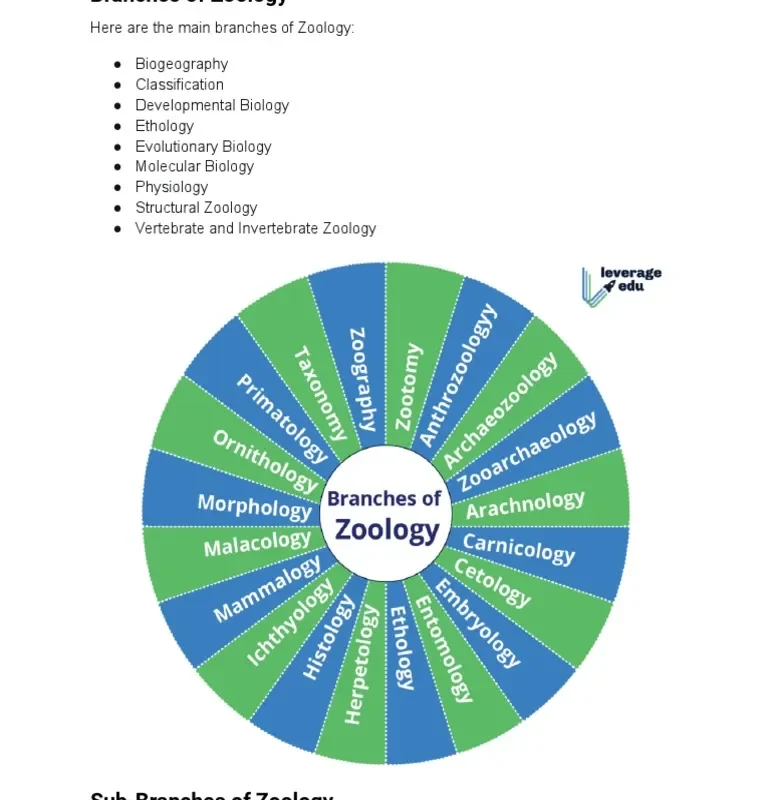
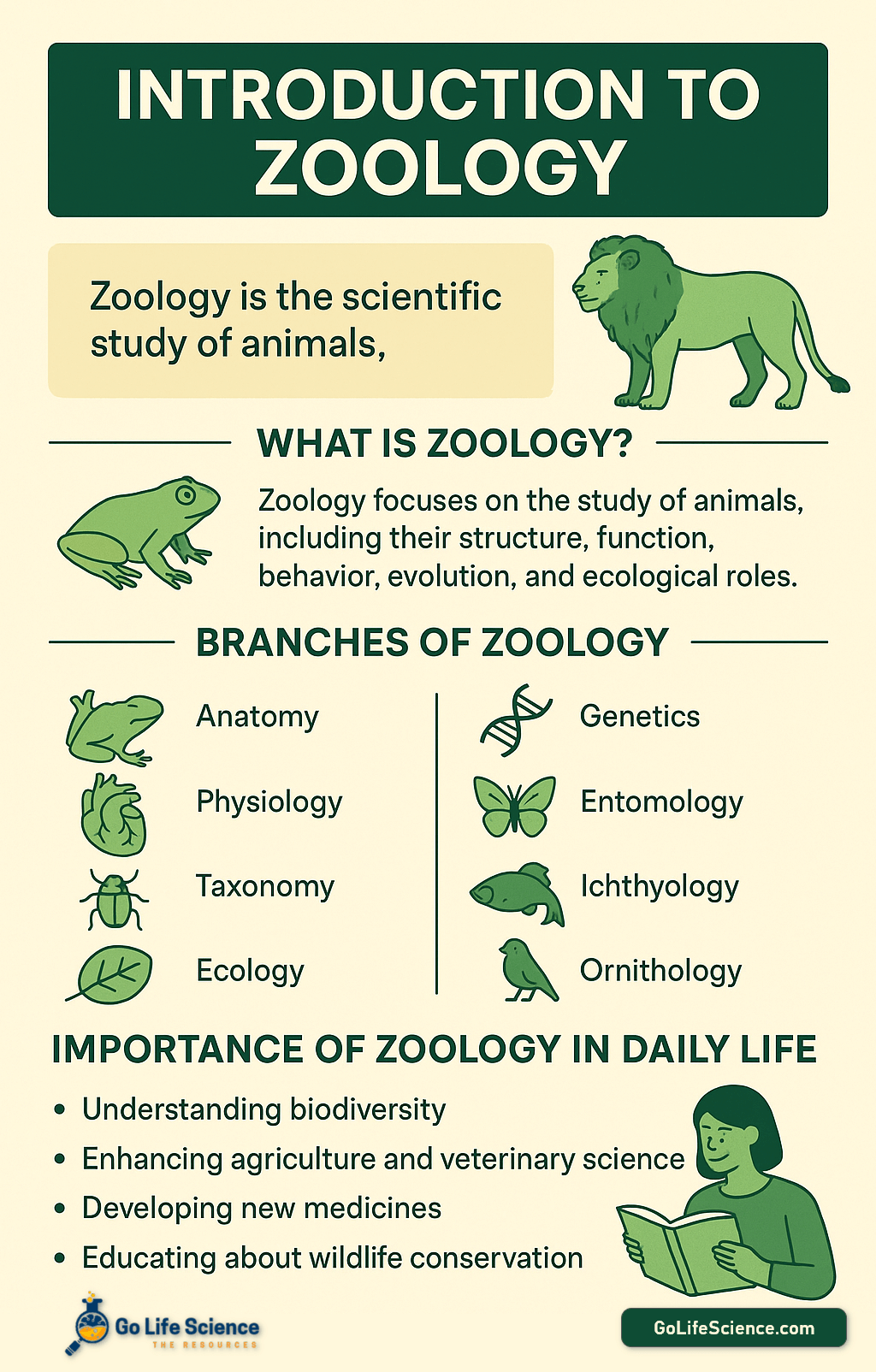
BS Zoology (Bachelor of Science in Zoology) is a four-year undergraduate degree program that focuses on the scientific study of animals, their behavior, structure, physiology, genetics, evolution, and interaction with the environment. Zoology is a branch of biology that helps us understand the animal kingdom and contributes to wildlife conservation, agriculture, medicine, and environmental protection.
Objectives of BS Zoology
The main objectives of BS Zoology are:
- To study the diversity of animal life.
- To understand animal anatomy and physiology.
- To learn about genetics, evolution, and ecology.
- To develop research and laboratory skills.
- To contribute to wildlife conservation and environmental management.
Major Subjects in BS Zoology
1. Animal Diversity
Students learn about different groups of animals, from simple organisms to complex vertebrates. This subject covers classification, characteristics, and evolutionary relationships.
2. Cell Biology
This course focuses on the structure and function of cells, including cell division, metabolism, and cellular communication.
3. Genetics
Genetics explains how traits are inherited from one generation to another. Students study DNA, genes, mutations, and genetic engineering.
4. Animal Physiology
Animal physiology deals with the functioning of various body systems such as the nervous, circulatory, respiratory, and digestive systems.
5. Ecology
Ecology studies the relationship between organisms and their environment. It includes ecosystems, food chains, biodiversity, and environmental conservation.
6. Evolution
Students learn about the origin and evolution of species through natural selection and other evolutionary processes.
7. Biochemistry
This subject explains the chemical processes occurring within living organisms, including proteins, carbohydrates, lipids, and enzymes.
8. Wildlife and Conservation Biology
It focuses on protecting endangered species, managing wildlife populations, and conserving natural habitats.
Practical and Research Work
BS Zoology includes extensive laboratory work and field studies. Students:
- Conduct experiments in biology labs.
- Collect and analyze biological samples.
- Participate in wildlife surveys.
- Complete research projects and internships.
- https://www.youtube.com/watch?v=CMYtVCObnFQ
Skills Developed During BS Zoology
Students gain valuable skills such as:
- Scientific research and analysis
- Laboratory techniques
- Critical thinking and problem-solving
- Data collection and interpretation
- Communication and report writing
- Environmental awareness
Career Opportunities
Graduates of BS Zoology can work in various fields, including:
| Career Field | Job Roles |
|---|---|
| Education | Teacher, Lecturer |
| Research | Research Assistant, Scientist |
| Wildlife Conservation | Wildlife Officer, Conservationist |
| Healthcare | Laboratory Technologist |
| Agriculture | Animal Health Specialist |
| Environmental Agencies | Environmental Consultant |
| Zoos and Aquariums | Animal Care Specialist |
Higher Education Opportunities
After completing BS Zoology, students can pursue:
- MPhil in Zoology
- MSc in Zoology
- PhD in Zoology
- Specializations in Genetics, Ecology, Wildlife Biology, Marine Biology, and Biotechnology
Importance of Zoology
Zoology plays a crucial role in:
- Understanding animal diseases.
- Conserving biodiversity.
- Improving livestock and agriculture.
- Protecting endangered species.
- Maintaining ecological balance.
Conclusion
BS Zoology is an excellent degree program for students interested in animals, nature, and biological sciences. It provides strong theoretical knowledge, practical laboratory experience, and research skills. Graduates can build successful careers in education, research, conservation, healthcare, and environmental management while contributing to the understanding and protection of animal life.
