 by
by Here’s an 800-word detailed blog on heart attack:
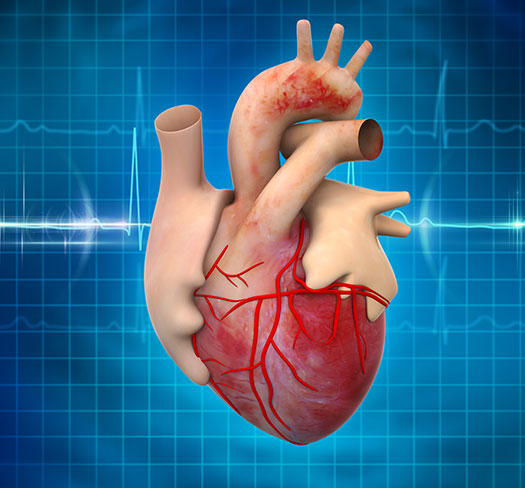
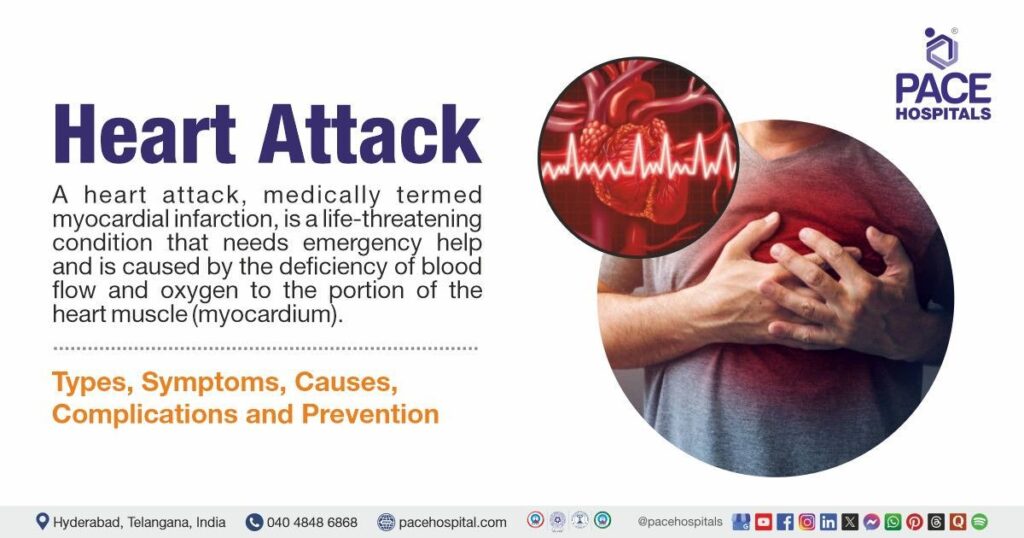
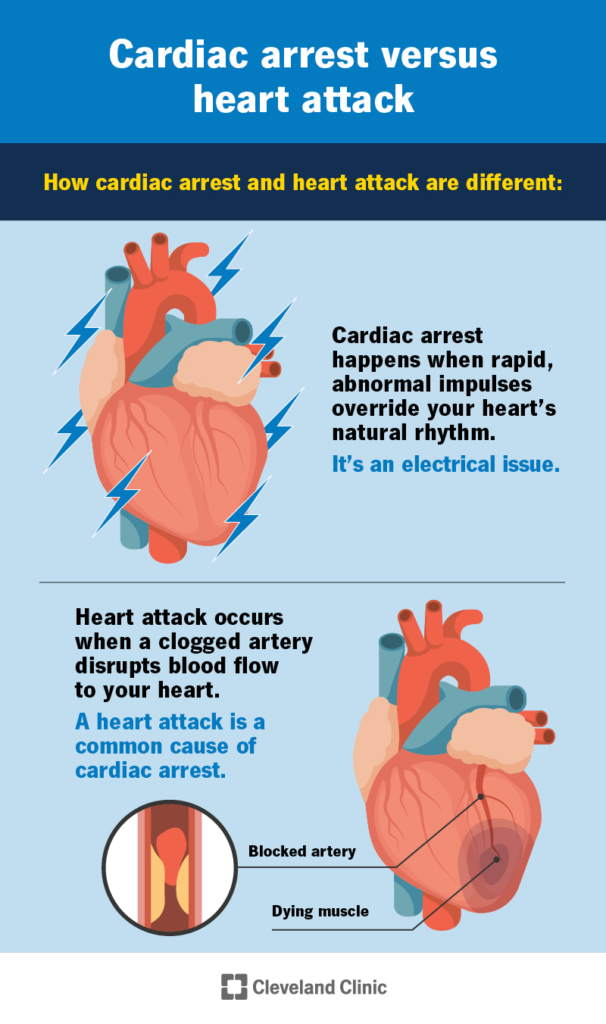
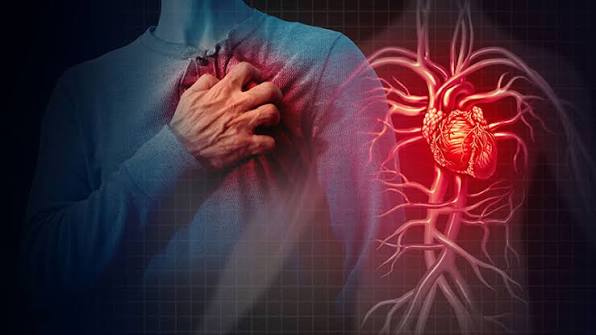
A heart attack is one of the most serious medical emergencies that can affect people of all ages, although it is more common among older adults. Medically known as a myocardial infarction, a heart attack occurs when the blood flow to a part of the heart muscle becomes blocked, preventing oxygen-rich blood from reaching the heart tissue. If blood flow is not restored quickly, the affected heart muscle begins to die, which can lead to severe complications or even death.
Heart disease remains one of the leading causes of death worldwide. However, increased awareness, early diagnosis, and modern treatment methods have significantly improved survival rates. Understanding the causes, symptoms, risk factors, prevention methods, and treatment options can help individuals protect their heart health and respond effectively in emergencies.
What Causes a Heart Attack?
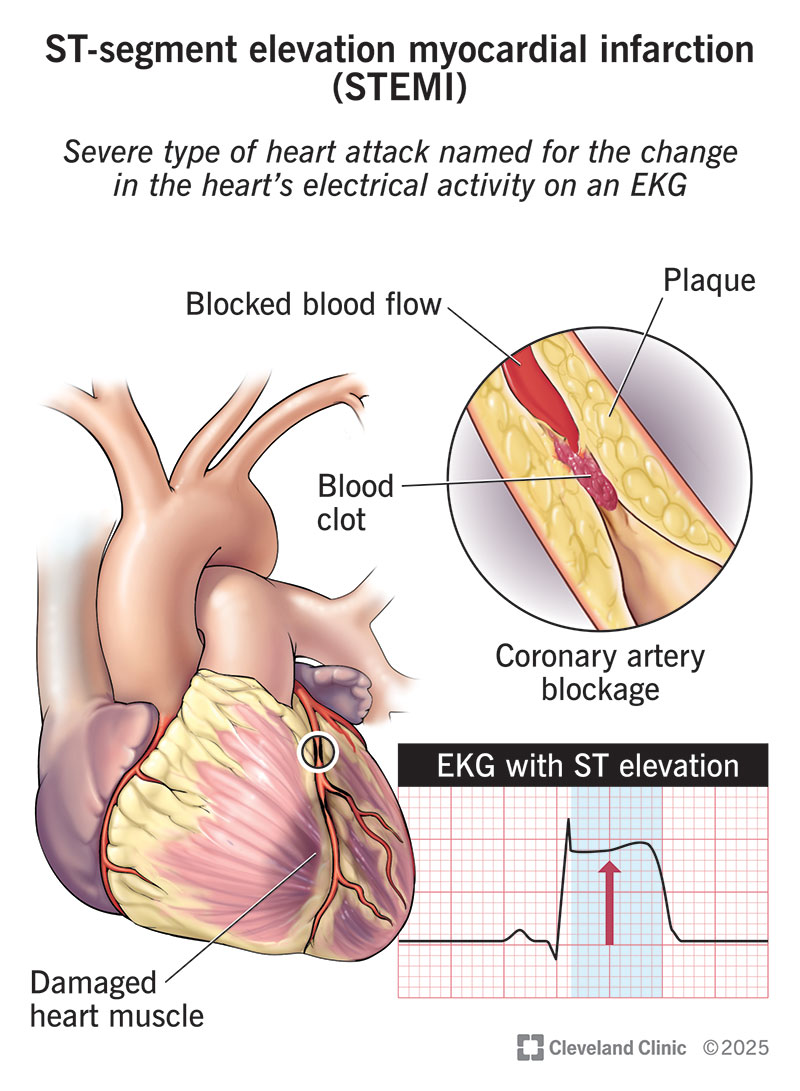
The most common cause of a heart attack is coronary artery disease. Over time, fatty deposits known as plaque build up inside the coronary arteries, which supply blood to the heart muscle. This condition is called atherosclerosis.
When a plaque ruptures, a blood clot can form around it. If the clot becomes large enough, it can completely block blood flow through the artery, resulting in a heart attack. Without sufficient oxygen, the affected portion of the heart muscle becomes damaged.
Other less common causes include severe coronary artery spasms, blood vessel injuries, certain infections, and drug abuse. In rare cases, congenital heart abnormalities can also contribute to heart attacks.
Common Symptoms of a Heart Attack
The symptoms of a heart attack can vary from person to person. While some individuals experience sudden and intense symptoms, others may have mild warning signs that develop gradually.
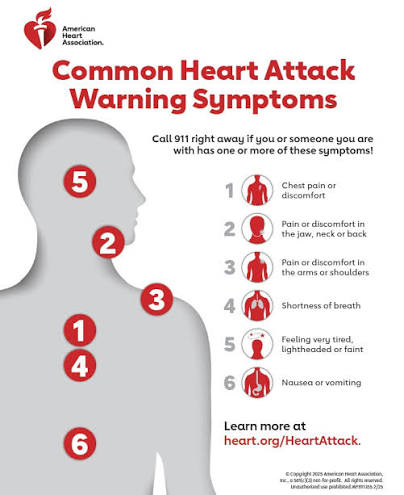
The most common symptom is chest pain or discomfort. This pain may feel like pressure, squeezing, fullness, tightness, or heaviness in the center or left side of the chest. The discomfort may last for several minutes or come and go.
Other symptoms include:
- Pain spreading to the arms, shoulders, neck, jaw, or back
- Shortness of breath
- Cold sweats
- Nausea or vomiting
- Dizziness or lightheadedness
- Unusual fatigue
- Anxiety or a feeling of impending doom
Women, older adults, and people with diabetes may experience less typical symptoms, such as fatigue, indigestion, nausea, or shortness of breath without significant chest pain.
Risk Factors for Heart Attack
Several factors increase the likelihood of developing heart disease and experiencing a heart attack. Some risk factors cannot be changed, while others can be controlled through lifestyle modifications.
Non-Modifiable Risk Factors
- Increasing age
- Family history of heart disease
- Male gender
- Genetic predisposition
Modifiable Risk Factors
- High blood pressure
- High cholesterol levels
- Smoking
- Obesity
- Physical inactivity
- Diabetes
- Unhealthy diet
- Excessive alcohol consumption
- Chronic stress
Managing these controllable risk factors can significantly reduce the chances of developing cardiovascular disease.
How Is a Heart Attack Diagnosed?
When a person arrives at a hospital with suspected heart attack symptoms, doctors perform several tests to confirm the diagnosis.
Common diagnostic procedures include:
Electrocardiogram (ECG)
An ECG records the electrical activity of the heart and helps identify abnormalities caused by reduced blood flow.
Blood Tests
Certain proteins and enzymes are released into the bloodstream when heart muscle cells are damaged. Blood tests help detect these markers.
Echocardiogram
This ultrasound examination allows doctors to evaluate heart function and identify areas of damage.
Coronary Angiography
A special dye is injected into the coronary arteries to visualize blockages using X-ray imaging.
These tests help healthcare professionals determine the severity of the condition and choose the most appropriate treatment.
Treatment of Heart Attack
Immediate medical treatment is essential to minimize heart muscle damage and improve survival.
Emergency Treatment
Doctors may administer medications such as:
- Aspirin to reduce blood clotting
- Blood thinners
- Nitroglycerin to improve blood flow
- Pain-relieving medications
- Oxygen therapy when needed
Medical Procedures
In many cases, doctors perform procedures to restore blood flow quickly.
Angioplasty and Stenting
A small balloon is inserted into the blocked artery and inflated to open it. A stent is often placed to keep the artery open.
Coronary Artery Bypass Surgery
For severe blockages, surgeons may create alternative pathways for blood to reach the heart muscle.
Timely treatment significantly improves recovery outcomes and reduces complications.
Preventing Heart Attacks
Prevention is the most effective way to combat heart disease. Adopting a heart-healthy lifestyle can greatly reduce the risk of heart attacks.
Key prevention strategies include:
- Eating a balanced diet rich in fruits, vegetables, and whole grains
- Limiting saturated fats, salt, and processed foods
- Exercising regularly
- Maintaining a healthy body weight
- Avoiding smoking and tobacco products
- Limiting alcohol intake
- Managing stress effectively
- Monitoring blood pressure and cholesterol levels
- Controlling diabetes through proper treatment
Regular medical checkups help identify risk factors before they become serious health problems.
Recovery After a Heart Attack
Recovery is an important part of treatment. Many patients can return to normal activities with proper medical care and lifestyle changes.
Cardiac rehabilitation programs often include:
- Supervised exercise training
- Nutritional counseling
- Stress management techniques
- Education about heart health
- Emotional support
Following medical advice and taking prescribed medications consistently can help prevent future heart attacks and improve overall quality of life.
Conclusion
A heart attack is a life-threatening condition that requires immediate medical attention. It occurs when blood flow to the heart muscle becomes blocked, causing damage to the heart tissue. Understanding the warning signs, risk factors, and preventive measures can save lives. By maintaining a healthy lifestyle, attending regular medical checkups, and seeking prompt treatment when symptoms occur, individuals can significantly reduce their risk of heart attacks and enjoy better cardiovascular health for years to come.