 by
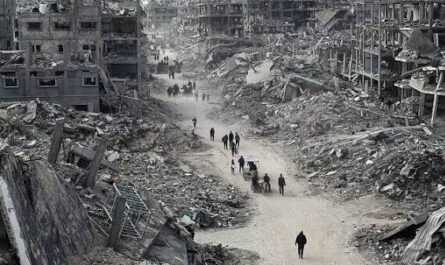
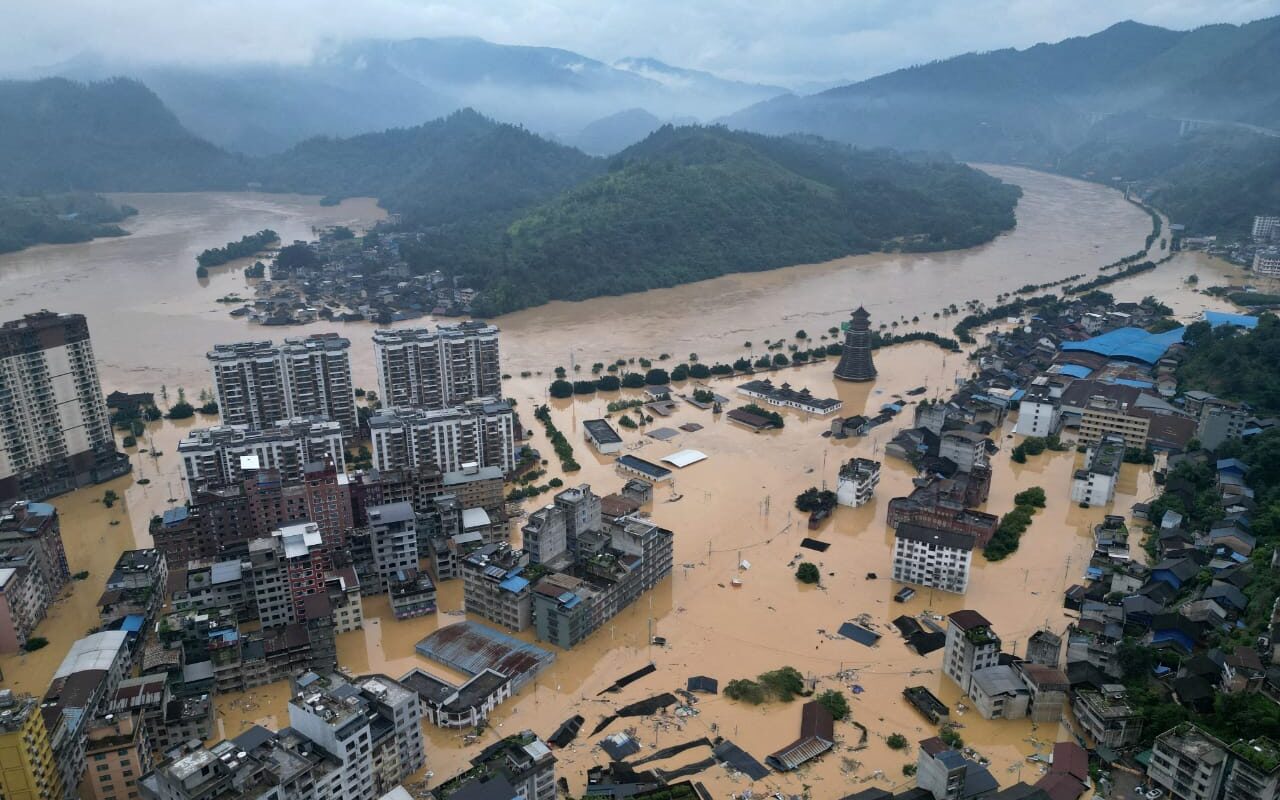
by 2025 has been another harsh reminder that floods are not just natural events they are increasingly by human activity, climate change, and failures in their strategies. From South America to South Asia, mountain regions to large cities, many places have seen devastating floods, large displacement, loss of life, crops, and infrastructure.
Pakistan Since late June, Pakistan has seen severe monsoon flooding. Over 900 lives have been lost, millions displaced, tens of thousands of villages affected. All infrastructures of villages and cites are damaged. In Pakistan , Punjab the large province of Pakistan by population is severely affected.
India Simultaneously, heavy rains upstream in Himachal Pradesh, Jammu & Kashmir, combined with water release from dams, have led to floods in the Ravi, Beas, Sutlej basins. More than 1,400 villages heavily affected, many people are affected by this tragedy. And many crops are also affected by this flood.
Indonesia Torrential rains in September caused what may be the worst flooding Bali has seen in over a decade. Massive damage, landslides, displacement.
Nepal There have been several glacial lake outburst floods (GLOFs) in Nepal , in Afghanistan valley, and in Pakistan’s mountainous regions. These occur when lakes formed by melting glaciers suddenly break through their boundaries, releasing water downstream with little warning.
Nigeria In late May, heavy rainfall, plus failure of dam structures , led to a flood that submerged a market town, destroyed thousands of houses, and left hundreds dead or missing.
Bolivia After months of unusually heavy rain, many departments were under emergency as rivers overflowed and homes, farmland, and infrastructure were damaged. More than 50 fatalities; nearly 600,000 families affected.
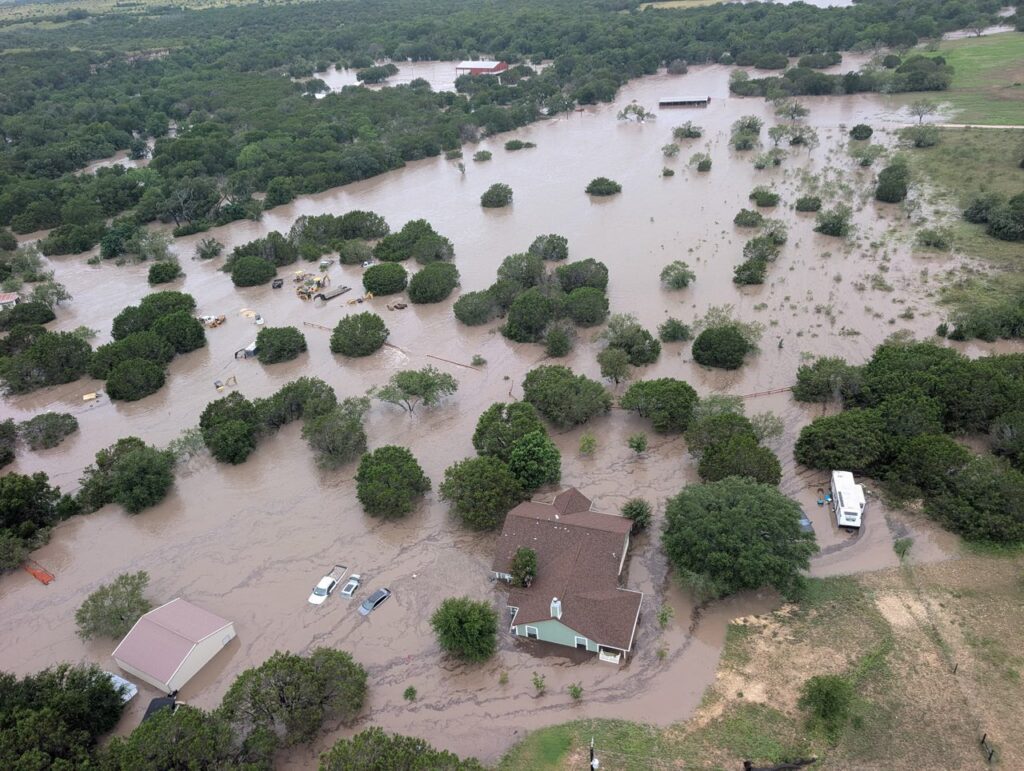
Why Floods Getting Worse Day by Day
- Climate change, warmer and hot air, more moisture
Warmer and hot temperatures allow the air to hold more moisture, making intense rainfall events more frequent. - Glacial melt & GLOFs
In the Hindu Kush Himalaya and other mountainous regions, supraglacial lakes (lakes sitting on top of glaciers or in their debris) are growing as glaciers melt. These lakes sometimes burst suddenly, sending torrents downstream with little warning. and also affect all the areas and peoples who lived in that areas. - Urbanization, poor planning and land use changes
In rapidly growing cities, drainage systems, flood roads, and infrastructure often lag. Deforestation, removal of wetlands, and development on flood plains reduce nature’s ability to absorb or slow excess water. As seen in Jakarta. - Sea level rise & storm surges
While not all floods in 2025 are coastal, rising sea levels make coastal flooding from storms or high tides worse. Saltwater intrusion and more frequent coastal inundation threaten many low-lying areas. - Weather extremes and variability
Monsoon systems, cyclones, tropical storms, and erratic rainfall patterns make forecasting, preparation, and response more difficult. Regions used to certain patterns find themselves overwhelmed when those patterns are disrupted.
What Should Be Done: Prevention, Strategy And Policy
- Early warning and monitor the condition
- Investing in better climate or weather forecasting, especially for heavy rainfall, cloudbursts, and GLOFs.
- Monitoring glacial lakes for early signs of bursting.
- Strengthening the infrastructure
- Building flood defenses and drainage systems.
- Improving dam safety, and improving in upstream or downstream situations.
- Urban planning: ensuring new developments avoid flood plains, preserving wetlands.
- Nature-based solutions
- Restoring wetlands, reforestation, which can absorb floodwaters.
- River naturalization: allowing rivers to meander or flood-plain space so floods are least destructive.
- Climate change mitigation
- Reducing greenhouse gas emissions to slow temperature rises that increasingly rainfall and glacier melt.
- International cooperation to support vulnerable countries which are most endangered.
- Disaster risk financing and insurance
- Establishing funds and insurance schemes and strategies to help rebuild after floods.
- Ensuring that poorer communities are included to support.
- Community preparedness
- Educating local populations on flood risk, evacuation routes, what to do in emergencies.
- Local planning, building codes that require flood-resilient housing.