 by
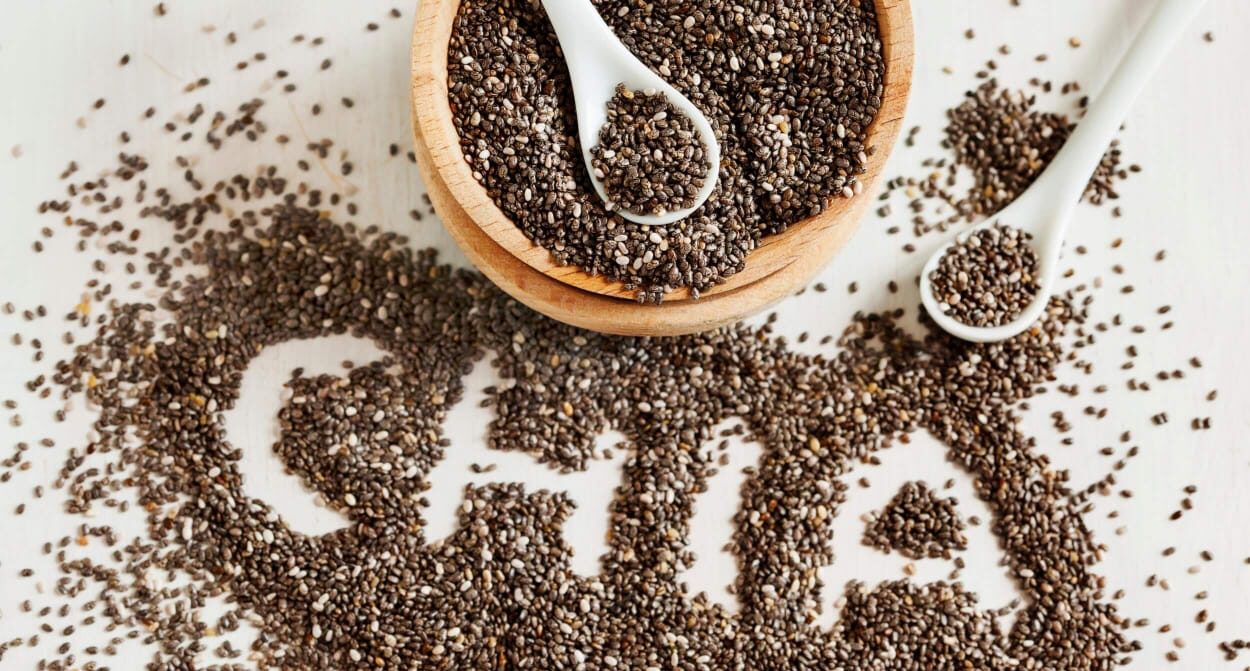
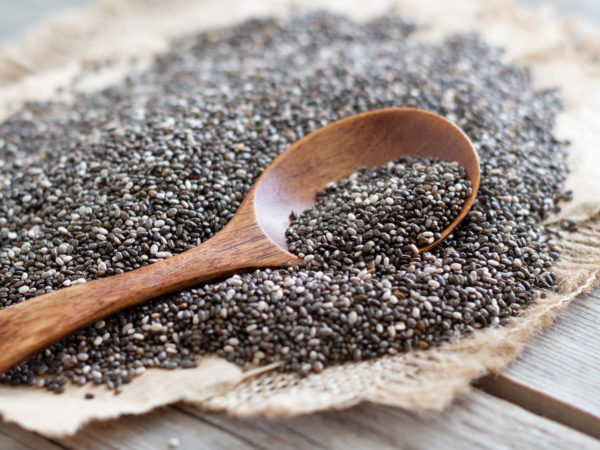
by In the world of nutrition, chia seeds have made their mark as one of the most powerful superfoods available today. These small black and white seeds may not look impressive at first glance, but their nutritional profile and health benefits are extraordinary and more beneficial. From boosting digestion to supporting heart health, chia seeds have earned their reputation as a staple in healthy diets worldwide.
A Little History of Chia Seeds
Chia seeds come from a plant called Salvia hispanica, which belongs to the mint family. They were cultivated as a staple food by the Aztecs and Mayans centuries ago. In fact, the word “chia” means strength in the Mayan language, which shows just how much these seeds were valued for providing long-lasting energy. Warriors and messengers often carried them during long journeys or battles because of their ability to sustain stamina and energy.
Fast forward to today, and chia seeds are still prized across the globe. They are easy to grow, store, and incorporate into many recipes, making them one of the most versatile and reliable sources of nutrition in modern era.
Nutritional Value of Chia Seeds
Chia seeds are often described as nutrient-dense because they provide a high amount of essential nutrients in just a small spoon. Let’s break down what you get from about 2 tablespoons (28 grams) of chia seeds:
- Calories: 138
- Protein: 4–5 grams
- Fat: 8–9 grams (with a high proportion of omega-3 fatty acids)
- Carbohydrates: 12 grams
- Fiber: 10–11 grams
- Calcium: 18% of the recommended daily intake (RDI)
- Magnesium: 30% of the RDI
- Phosphorus: 27% of the RDI
- Manganese: 30% of the RDI
- Antioxidants: Potent compounds that fight oxidative stress
What makes chia seeds particularly unique is their balance of macronutrients. They’re high in fiber and in protein, and rich in healthy fats especially alpha-linolenic acid (ALA), a plant-based omega-3 fatty acid that is essential for heart and brain health.
Benefits of Chia Seeds
1. Great for Digestive Health
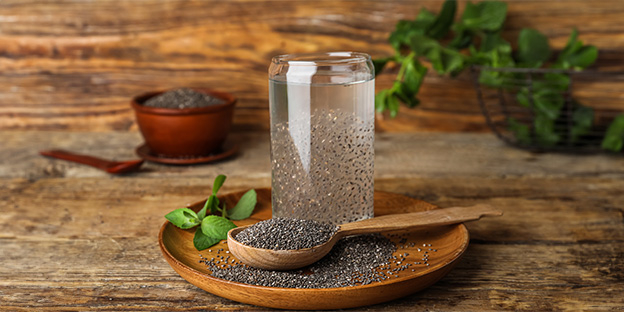
The high fiber content of chia seeds is perhaps their most celebrated feature. Fiber is essential for healthy digestion, and chia seeds provide about 40% of your daily fiber needs in just one serving. When soaked in water or liquid, chia seeds form a gel-like consistency that helps improve bowel regularity, prevent constipation, and support overall gut health.
2. Promotes Heart Health
Chia seeds are rich in omega-3 fatty acids, particularly ALA. These fats help reduce inflammation in the body and support cardiovascular function. Studies suggest that incorporating chia seeds into your diet may help lower cholesterol levels, reduce blood pressure, and decrease the risk of heart disease.
3. Supports Weight Management
If you’re trying to manage your weight, chia seeds can be a great addition to your diet. When they absorb liquid, they expand and create a gel-like substance that makes you feel fuller for longer. This can naturally reduce your appetite and help control overeating.
4. Strong Bones and Teeth
Chia seeds are a powerhouse of minerals like calcium, phosphorus, and magnesium—all of which are essential for bone health. In fact, gram for gram, chia seeds contain more calcium than many dairy products, making them an excellent choice for those who are lactose intolerant or follow a plant-based diet.
5. Balances Blood Sugar
Chia seeds can help stabilize and control blood sugar levels by slowing down the digestion of carbohydrates. This means that the glucose from food enters your bloodstream more gradually, preventing sharp spikes and crashes in blood sugar. For people with type 2 diabetes or those looking to maintain steady energy, this is a big advantage.
6. Boosts Energy and Performance
Remember the ancient warriors who relied on chia for stamina? That wasn’t a coincidence. The combination of protein, fiber, and healthy fats provides sustained energy, making chia seeds an excellent food for athletes or anyone with an active lifestyle.
7. Rich in Antioxidants
Oxidative stress in the body can lead to aging and chronic diseases. Chia seeds are loaded with antioxidants that fight free radicals, helping to protect your cells and keep your body functioning at its best.
Side Effects of Chia Seeds
- Digestive Discomfort
Because they’re so high in fiber, eating large amounts of chia seeds without drinking enough water may cause bloating, gas, or constipation. Always hydrate properly when adding chia seeds to your diet. - Choking Hazard
Dry chia seeds can expand quickly when exposed to liquid. If swallowed without soaking or mixing into food, they may create a choking risk. Always soak them or consume them with plenty of liquid. - Interactions with Medication
The omega-3s in chia seeds can have blood-thinning effects. If you’re on medications like blood thinners or have certain medical conditions, consult your doctor before consuming large amounts of chia seeds. - Allergic Reactions
Although rare, some people may have allergic to chia seeds. Symptoms could include skin rashes, itching, or difficulty breathing. If you suspect an allergy, stop consuming them immediately.
Use of Chia Seeds in Diet
One of the reasons chia seeds are so popular is their versatility. They have a mild, neutral taste, which means they can be added to a variety of dishes . Here are some simple ways to include them in your meals:
- Chia pudding: Mix chia seeds with milk or plant-based milk, let them soak overnight, and add fruit or nuts for a healthy breakfast or snack.
- Smoothies: Add a tablespoon of chia seeds to your favorite smoothie for extra fiber and protein.
- Baked goods: Incorporate chia seeds into muffins, bread, or energy bars for a nutritious twist.
- Toppings: Sprinkle chia seeds over salads, yogurt, or oatmeal.
- Egg substitute: Mix 1 tablespoon of chia seeds with 3 tablespoons of water, let it sit, and use as a vegan-friendly egg replacement in baking.
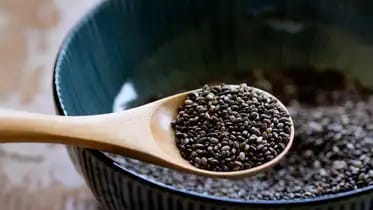
Chia seeds may be tiny, but they pack a powerful punch of nutrition. Whether you add them to smoothies, yogurt, salads, or make a delicious chia pudding, they’re an easy way to upgrade your diet. Just remember moderation is key—too much of even a superfood can cause problems.
If you want a natural, simple, and versatile addition to your meals, chia seeds are definitely worth and precious a spot in your kitchen.