 by
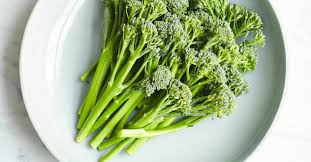
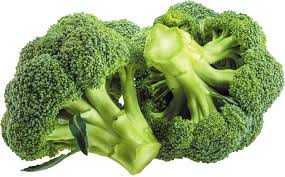
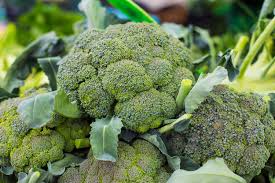
by When we think about healthy eating, green vegetables always come to mind and among them, broccoli stands tall as a true superfood. Often called the “green powerhouse,” broccoli is more than just a side dish; it’s a nutritional treasure packed with vitamins, minerals, antioxidants, and plant compounds that can do wonders for your body. One of its most remarkable benefits is its ability to protect your heart and reduce the risk of cancer. Let’s explore how this simple green vegetable contributes to a healthier, longer life.
Nutritional Powerhouse
Broccoli belongs to the cruciferous vegetable family, which includes cauliflower, cabbage, kale, and Brussels sprouts. It’s rich in essential nutrients such as vitamin C, vitamin K, vitamin A, folate, fiber, and potassium. It also contains compounds like sulforaphane and indole-3-carbinol, which have strong antioxidant and anti-inflammatory properties. These natural chemicals help the body fight damage caused by free radicals unstable molecules that can harm cells and lead to diseases.
Eating broccoli regularly gives your body a wide range of nutrients that support almost every system—your immune system, digestion, bones, and most importantly, your heart and cells.
Broccoli and Heart Health
Heart disease is one of the leading causes of death around the world. Unhealthy diets, stress, and lack of exercise are common contributors—but adding broccoli to your meals can help lower the risk significantly. Here’s how:
1. Lowers Cholesterol
Broccoli contains fiber that binds with bile acids in your digestive system, helping to remove cholesterol from your body. This process lowers “bad” LDL cholesterol levels, reducing the strain on your arteries and promoting a healthier heart.
2. Protects Blood Vessels
The antioxidants in broccoli, particularly sulforaphane, help protect blood vessels from damage. They reduce inflammation in the arteries, improving blood flow and lowering the risk of high blood pressure and stroke.
3. Rich in Potassium
Potassium plays a crucial role in maintaining normal blood pressure by balancing sodium levels in the body. Broccoli’s high potassium content helps relax blood vessels and prevents hypertension, which is a major risk factor for heart problems.
4. Supports a Healthy Weight
Since broccoli is low in calories but high in fiber, it keeps you full for longer and helps control appetite. Maintaining a healthy weight is one of the best ways to prevent cardiovascular diseases.
In short, broccoli acts like a natural heart protector keeping your arteries clean, your blood pressure stable, and your cholesterol levels under control.
Broccoli’s Role in Cancer Prevention
Beyond heart health, one of the most studied and impressive benefits of broccoli is its ability to help prevent cancer. Scientists have been researching this connection for years, and the results are quite promising.
1. Sulforaphane: The Cancer Fighter
Sulforaphane, one of broccoli’s key compounds, has powerful anti-cancer effects. It helps deactivate harmful enzymes that can cause DNA damage and promotes the body’s ability to eliminate toxins. Studies suggest that sulforaphane can slow the growth of cancer cells and even cause them to self-destruct in certain cases.
2. Fights Inflammation
Chronic inflammation is often linked to the development of cancer. Broccoli’s rich antioxidant content helps reduce inflammation and oxidative stress in the body, creating an environment less favorable for cancer cell growth.
3. Boosts Detoxification
Broccoli supports the liver’s natural detox system by activating enzymes that help flush out carcinogens chemicals that can cause cancer. Regular consumption helps the body stay clean from harmful toxins we’re exposed to daily through food, air, and water.
4. DNA Protection
The nutrients in broccoli especially vitamins C and E, along with beta-carotene help protect DNA from oxidative damage, which is a major trigger for cancer development.
Broccoli has been linked to a lower risk of several types of cancer, including those of the breast, colon, prostate, and lungs. While it’s not a cure, it plays a significant role in prevention when included as part of a balanced diet.
How to Add Broccoli to Your Diet
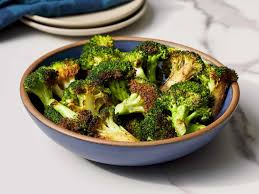
The great thing about broccoli is that it’s incredibly versatile. You can eat it raw, steamed, roasted, stir fried, or even blended into soups and smoothies. Here are a few easy ideas:
- Steam or boil lightly to preserve nutrients.
- Toss it into salads for a crunchy texture.
- Add it to pasta, rice, or noodles for extra nutrition.
- Blend it into soups for a creamy, healthy twist.
- Roast with olive oil, garlic, and pepper for a delicious side dish.
Remember, overcooking can destroy some of broccoli’s beneficial compounds, so it’s best to cook it lightly or enjoy it raw whenever possible.
Conclusion
Broccoli may look simple, but its impact on health is extraordinary. With its ability to protect your heart, fight inflammation, and lower cancer risk, it truly deserves its title as a superfood. The combination of vitamins, minerals, and plant compounds makes it a powerful addition to your daily diet.
Making broccoli a regular part of your meals doesn’t just improve your nutrition it strengthens your body’s natural defense systems. So, the next time you plan your lunch or dinner, remember to add a serving of broccoli. It’s a small step with big benefits for your long-term health.