 by
by A Human Tragedy in Gaza
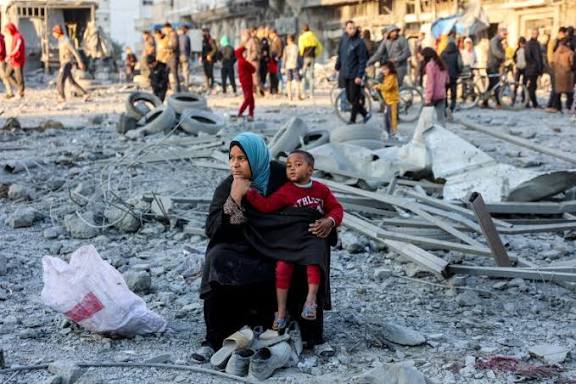
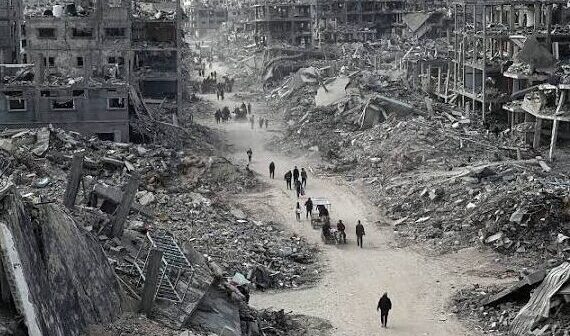
The conflict between Israel and Hamas in Gaza has stretched on for far too long, leaving destruction, death, and heartbreak in its wake. Entire neighborhoods lie in rubble, families have been uprooted, and hospitals are crumbling under the strain. More than 60,000 Palestinians have been killed, and tens of thousands more wounded.
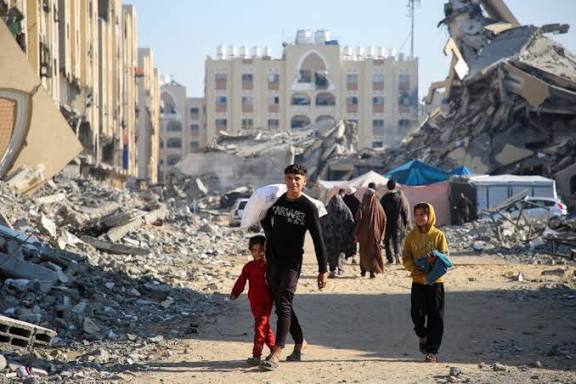
Civilians — women, children, the elderly — have borne the brunt of this war. Many are trapped with nowhere safe to go. Basic necessities like clean water, food, shelter, and medical care are in extremely short supply.
Amid the sorrow, there have even been protests in Gaza itself, with some residents turning against both the war and Hamas’s leadership, demanding an end to suffering and a change in direction.
Latest: Ceasefire Hopes & New Setbacks
Despite growing global pressure, Israeli military operations continue relentlessly. On 27 September, airstrikes and gunfire across Gaza killed at least 44 people, including whole families in their homes and displaced tents.
Israel’s Prime Minister, Benjamin Netanyahu, recently addressed the UN General Assembly, reiterating that Israel “must finish the job” — effectively rejecting immediate full cessation of hostilities.
In parallel, the UAE Foreign Minister met Netanyahu in New York and pressed for an end to the Gaza war — a signal that even former allies are pushing Israel to change course.
Trump’s Role: Pushing for Ceasefire?
Donald Trump has increasingly inserted himself into the Gaza negotiations. His administration has floated a 21-point peace plan, which aims to tie together hostages release, Israeli military withdrawal, governance arrangements for Gaza, and reconstruction efforts. Some reports suggest Hamas has accepted Trump’s plan “in principle”, agreeing to release Israeli hostages under the proposal.
Trump has also taken a firm public stand against Israel annexing the West Bank — a move that shows he is drawing lines on what the U.S. backing will tolerate.
He described talks so far as “very inspired and productive,” and said he believes a deal is close that could “get the hostages back” and “end the war.”
But whether Israel will fully accept such terms is another question. Netanyahu’s public stance suggests he is not ready to stop the offensive.
The Stakes & What Comes Next
Lives & dignity: For the people of Gaza, a ceasefire isn’t a political play — it’s a matter of survival. Every day that fighting continues means more casualties, more trauma, more collapse of basic services.
Hostages: One major pillar of any truce will be the exchange of hostages and prisoners. Without trust and verified terms, this is a sticking point.
Credibility & leverage: Trump’s involvement gives leverage, but it must be matched by pressure on both sides, especially Israel’s government, to accept limits.
Temporary vs lasting ceasefire: A short pause or humanitarian window might come first, but only a durable truce with enforcement will prevent the cycle from restarting.
Conclusion
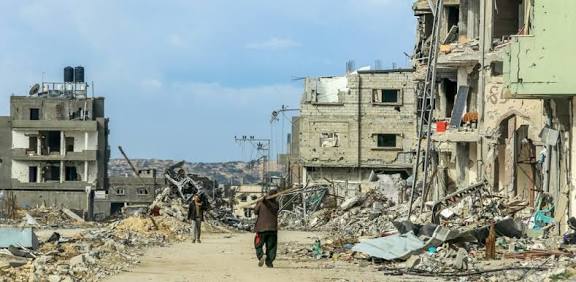
The Gaza conflict has gone on far too long, at unbearable human cost. The images of wrecked homes, grieving families, and empty streets are seared into memory. Whenever ceasefire talks arise, they bring hope — but those hopes are fragile and easily broken by mistrust, unmet demands, or political intransigence.Trump’s peace push and the 21-point plan may open a path, but success will depend on whether both Israel and Hamas are willing to gamble for peace rather than total victory.