 by
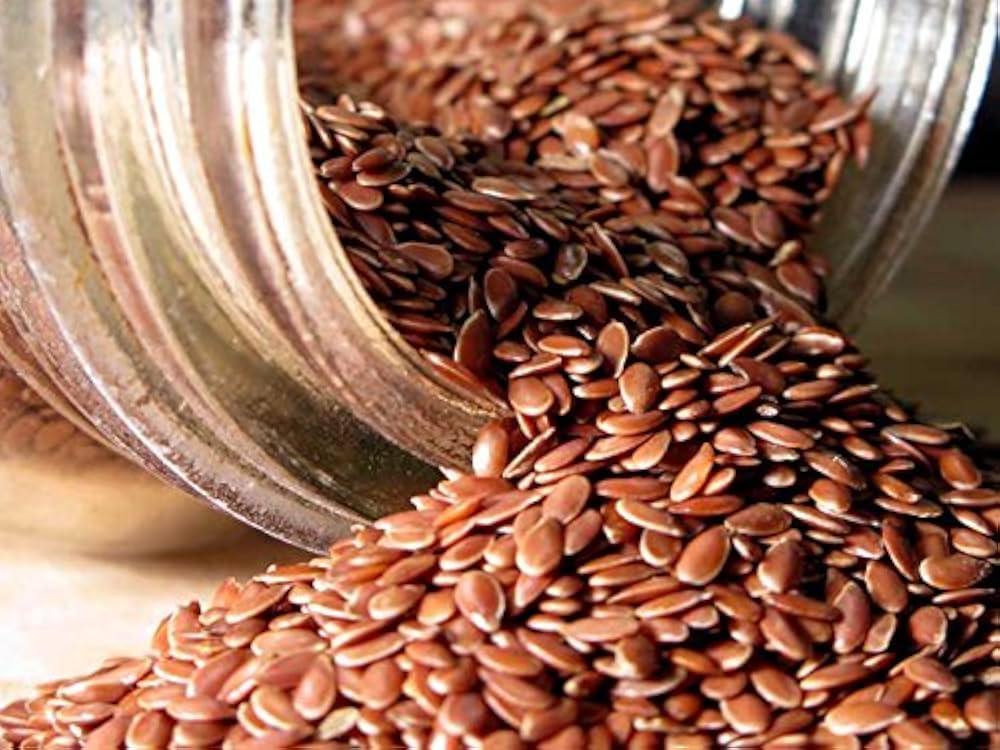
by When it comes to superfoods and special food, flaxseed (also known as alsi in many parts of the world) is often at the top of the list. These tiny brown or golden seeds may look simple, but they are packed with nutrients, vitamins, and health benefwits.
What’s inside Flaxseed?
Flaxseed is not just a source of fiber and healthy fats—it also contains important vitamins and minerals which your body needs. Some of the key vitamins found in flaxseed include:
- Vitamin B1 (Thiamine): Helps your body convert food into energy and supports nervous system health.
- Vitamin B6: Important for brain development and keeping your immune system strong.
- Vitamin E: A powerful antioxidant that protects your cells from damage and keeps your skin healthy.
- Folate (Vitamin B9): Helps with cell growth and is especially important for women during pregnancy.
Along with these vitamins, flaxseed is also rich in minerals like magnesium, phosphorus, and magnesium.
Benefits of Flaxseed in Health
1. Supports Heart Health
Flaxseed is one of the best plant-based sources of omega-3 fatty acids. These healthy fats help reduce bad cholesterol (LDL) and improve good cholesterol (HDL), lowering your risk of heart disease.
2. Helps with Digestion
Flaxseed is high in dietary fiber. This means it keeps your digestion smooth, prevents constipation, and supports a healthy gut.
3. Good for Skin and Hair
Thanks to Vitamin E and omega-3s, flaxseed nourishes your skin and hair. It can help reduce dryness, improve elasticity, and give a natural glow.
4. Balances Hormones
Flaxseed contains compounds called lignans, which may help balance hormones—especially in women. This can ease symptoms of menopause and support reproductive health.
5. Weight Management
The fiber in flaxseed makes you feel full for longer, helping to control hunger and prevent overeating. This makes it a good food to include if you’re trying to manage weight.
6. Supports Brain Function
B vitamins like B1 and B6 in flaxseed play an important role in brain health, memory, and focus. Omega-3 fatty acids also support cognitive function.
7. May Help Control Blood Sugar
Studies suggest that flaxseed can help stabilize blood sugar levels, making it a useful food for people with diabetes or those at risk.
How to Use Flaxseed
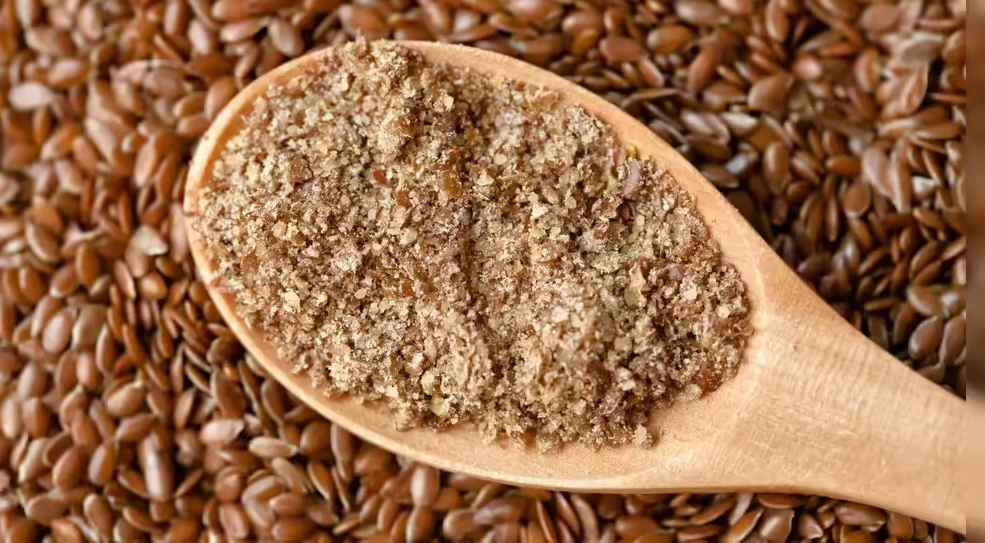
The best way to enjoy flaxseed is to use ground flaxseed rather than whole seeds (because whole seeds may pass through your digestive system without being absorbed).
- Add it to smoothies or shakes
- Sprinkle on yogurt or oatmeal
- Mix into roti dough or bread
- Use in baking (like muffins, pancakes, or cookies)
- Stir into soups or salads
Precautions and Recommended Dosage of Flaxseed
While flax seeds are highly nutritious and also known as superfood, consuming them in the right amount is important to avoid side effects.
- Daily Dosage: Most health experts suggest 1 to 2 tablespoons (10–20 grams) of ground flax seeds per day for adults and children use half of it. This is enough to gain the benefits without overloading the body.
- Drink a Plenty of Water: Since flax seeds are rich in fiber, they absorb water in the gut. Without drinking enough fluids, they may cause gas, or constipation. Always drink a full glass of water after eating them.
- Start Small: If you are new to flax seeds, begin with ½ tablespoon and gradually increase to allow your digestive system to adjust.
- Pregnant or Breastfeeding Women: Flax seeds may affect hormone levels, so it’s better to consult and check the doctor first, before taking them regularly.
- Medicine Interactions: People taking blood thinners to control cholesterol, cholesterol-lowering drugs, or diabetes medication should check with their doctor before using flax seeds, as they may interfere with how medicines work.
- Avoid Raw or Unripe Flax Seeds: These may contain natural toxins that can be harmful and dangerous in large amounts. Stick to roasted, ground, or soaked seeds.
Flaxseed may be small, but it’s truly a powerhouse and good source of nutrition. With essential vitamins, minerals, fiber, and healthy fats, it supports everything from heart and brain health to digestion and skin glow. Adding just a spoonful or two to your daily diet can bring you long-term health benefits.