 by
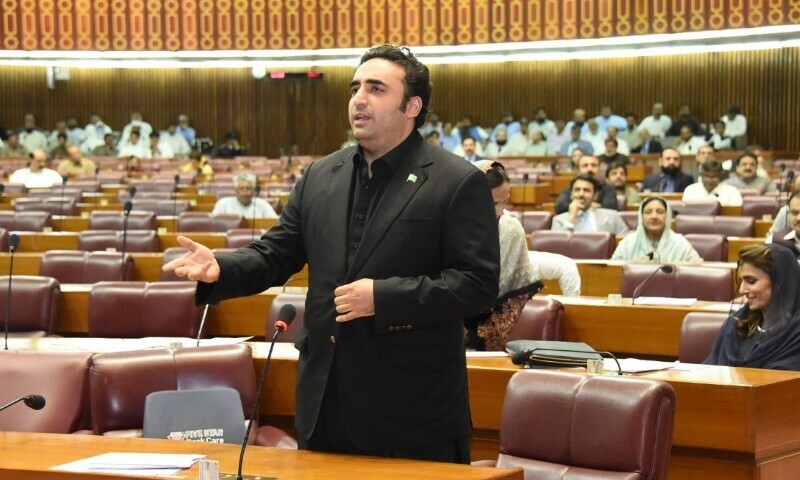
by The National Assembly of Pakistan recently became the center of an intense political debate as lawmakers discussed the current situation in Azad Jammu and Kashmir (AJK), proposed local government reforms, and a range of political issues affecting the region. The discussion reflected the significance of Azad Kashmir in Pakistan’s political and constitutional framework and highlighted the need for effective governance, democratic accountability, and sustainable development.
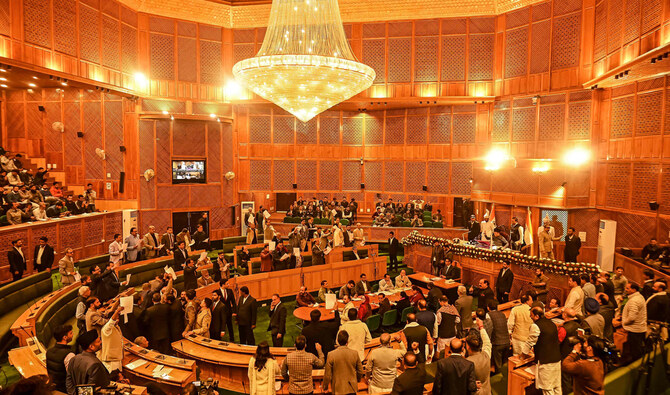
During the parliamentary session, members from both the government and opposition benches voiced their opinions on the administrative challenges facing Azad Kashmir. Legislators expressed concern over governance issues, the performance of public institutions, and the implementation of development projects. Many argued that the region requires stronger institutional support and better coordination between the federal government and the Azad Kashmir administration to address the needs of its people.
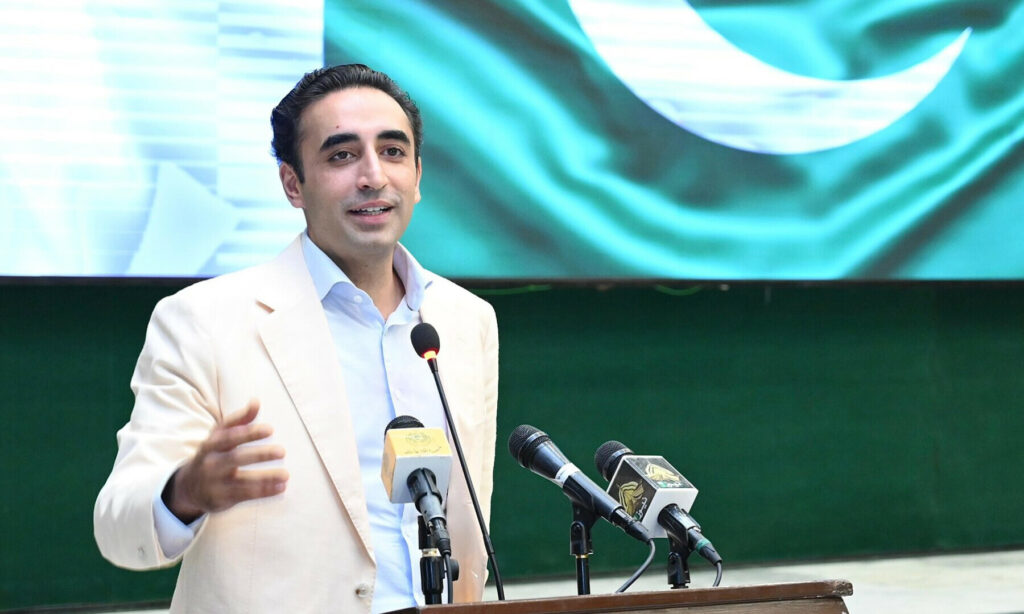
One of the key topics of debate was the introduction of local government reforms. Several lawmakers emphasized that empowering local governments is essential for ensuring efficient service delivery and strengthening democracy at the grassroots level. They argued that elected local representatives are better positioned to understand community needs and can play a vital role in addressing issues related to education, healthcare, sanitation, infrastructure, and public welfare.
Supporters of the reforms stressed that decentralizing administrative powers would improve transparency, accountability, and public participation in governance. They also called for greater financial autonomy for local bodies, enabling them to plan and execute development projects without unnecessary bureaucratic hurdles. According to several members, strong local governments are fundamental to promoting inclusive development and improving the quality of life for citizens.
The political situation in Azad Kashmir also came under close scrutiny. Opposition lawmakers criticized what they described as administrative shortcomings and urged the government to adopt a more transparent and consultative approach to policymaking. They argued that political differences should not hinder development and called for equal opportunities for all political parties to participate in democratic processes.
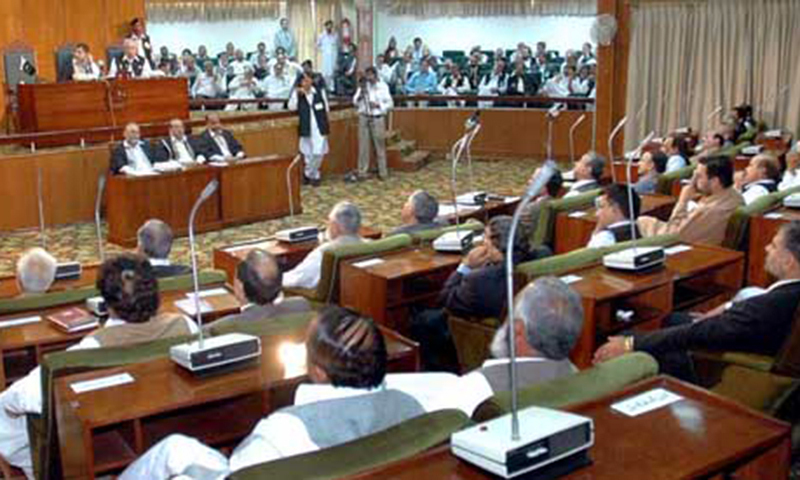
Government representatives responded by defending their performance and highlighting ongoing development initiatives across Azad Kashmir. They pointed to investments in road infrastructure, healthcare facilities, educational institutions, and digital connectivity as evidence of their commitment to improving public services. Ministers maintained that the government remains focused on strengthening democratic institutions and ensuring long-term stability in the region.
Another major concern raised during the debate was the importance of preserving political stability while protecting the constitutional and democratic rights of the people of Azad Kashmir. Several lawmakers stressed that dialogue, cooperation, and respect for democratic norms are essential for resolving political disagreements. They emphasized that constructive engagement among political stakeholders would help build public confidence and create an environment conducive to development.
Economic development also featured prominently in the discussion. Members highlighted the need to create employment opportunities, particularly for young people, by promoting tourism, agriculture, small businesses, and investment in modern infrastructure. They argued that economic growth and political stability are closely linked and that strengthening local governance would encourage both domestic and foreign investment.
Transparency and accountability remained recurring themes throughout the debate. Parliamentarians called for stronger oversight mechanisms to ensure that public funds are used efficiently and that development projects are completed on time. They stressed that combating corruption and improving administrative efficiency are essential for restoring public trust in government institutions.
The debate also underscored the broader importance of Azad Kashmir in Pakistan’s national policy. Lawmakers agreed that the region deserves continued political attention and development support, while also emphasizing the importance of respecting democratic principles and ensuring inclusive governance. Although political disagreements remained evident during the session, members from across the political spectrum acknowledged the need for dialogue and cooperation in addressing the region’s challenges.
In conclusion, the National Assembly’s discussion on Azad Kashmir highlighted critical issues related to governance, local government reforms, and political stability. The debate demonstrated the importance of strengthening democratic institutions, empowering local governments, and promoting transparent administration. As policymakers continue to deliberate on these matters, the implementation of meaningful reforms and sustained political dialogue will be crucial for improving governance, enhancing public services, and fostering long-term development in Azad Kashmir.